Authors: Rossella Guiot, Central Marketing Manager, Ture Nielsen, Product Marketing Manager, Lior Weiss, Senior Director Connectivity, Wi-Fi
In the ever-evolving world of the Internet of Things (IoT), choosing the Wi-Fi frequency band is more than just a technical detail; it's a strategic decision that directly impacts network performance, reliability, latency, range, and power consumption. With Wi-Fi now operating on the 2,4 GHz, 5 GHz, and the newly introduced 6 GHz bands (via Wi-Fi 6E), understanding the advantages and disadvantages of each is essential for designing robust IoT systems.
The shift from single-band to dual-band connectivity
Many early IoT devices relied on Wi-Fi 4, which depended exclusively on the 2,4 GHz band. While this band offers wide coverage and better penetration through walls, it suffers from congestion and interference due to limited channel availability. Today, dual-band compatibility, enabling operation on both 2,4 GHz and 5 GHz, is a fundamental design principle for modern IoT ecosystems.
Dual-band connectivity allows devices to intelligently select the optimal band based on range, bandwidth, and power constraints, ensuring robust coverage, efficient spectrum utilization, and coexistence across diverse deployment scenarios. By leveraging the complementary advantages of both frequency bands, IoT networks can achieve the balance of range, reliability, and responsiveness needed to maintain large-scale, mission-critical connectivity in the evolving digital landscape.
Real benefits of operating in 5 GHz
To demonstrate the practical advantages of the 5 GHz band, a Wi-Fi environment was simulated in a smart building. Several networks operated simultaneously, revealing marked differences between the two bands:
- 2,4 GHz band: Limited to three main channels, causing congestion and interference.
- 5 GHz band: Offers eleven or more channels, which significantly reduces interference and allows for higher data speeds.
This cleaner spectrum translates into tangible benefits for the user: higher transmission speed, lower latency, lower energy consumption and a more reliable connection, especially in environments with many connected devices.
Performance tests: Transmission speed, latency, and power consumption
A series of tests were performed in a typical congested environment using an access point connected to the device under test (DUT) located at a fixed distance. Measurements were taken for the 2,4 GHz and 5 GHz bands.
Measurement settings
The EK-RA6W1 evaluation kit (DUT) was connected via Wi-Fi to an Android phone configured as a virtual access point (Soft AP), allowing wireless data exchange between the two devices.
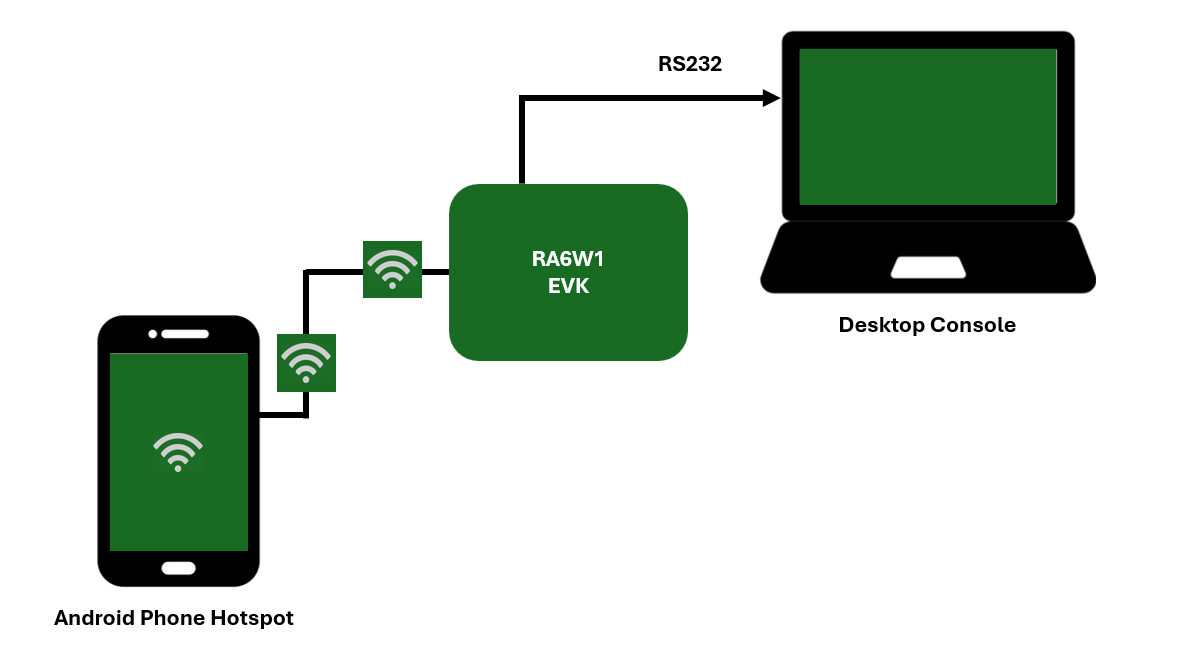
Figure 1. Wi-Fi test setup.
The tests were conducted in an open office with multiple active Wi-Fi networks and electronic devices operating on the same frequency bands. The goal was to analyze the device's performance under real-world conditions.
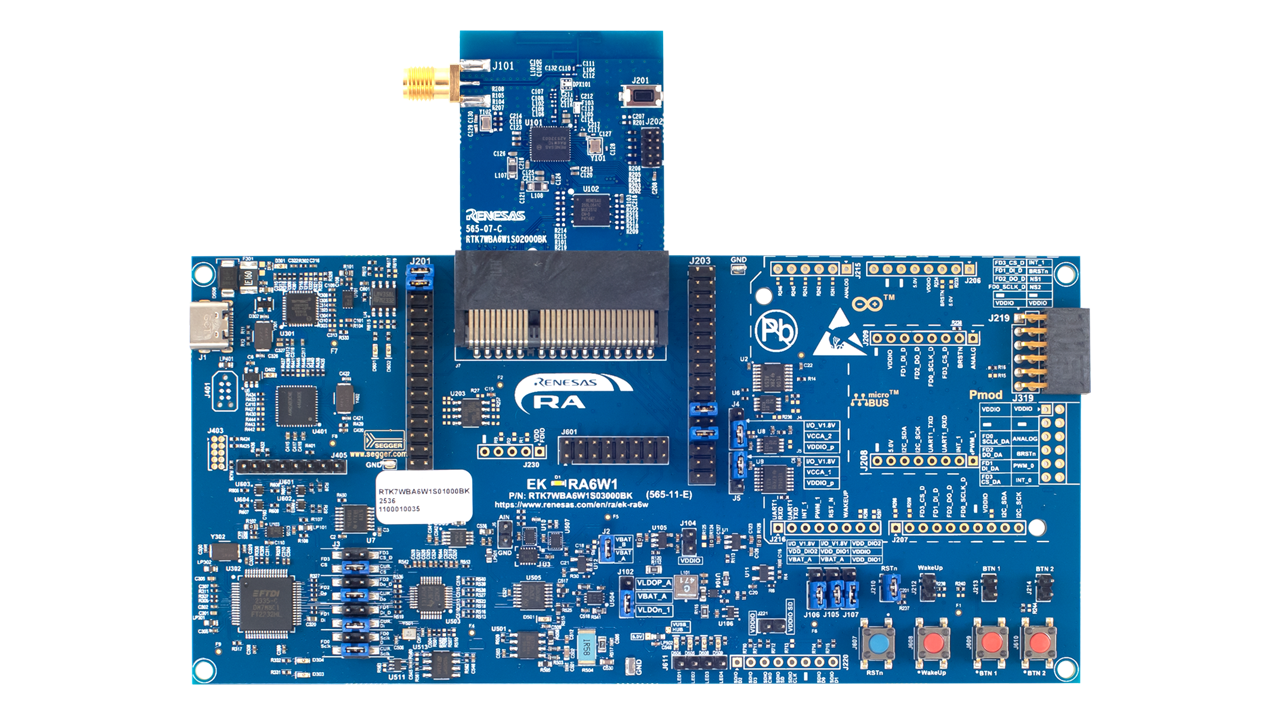
Figure 2. EK-RA6W1 Wi-Fi Evaluation Kit (DUT)
Spectrum of the measured environment
A Wi-Fi analysis application was used to examine the frequency spectrum present in the described environment.
As shown in Figure 3, the 2,4 GHz spectrum was heavily congested due to overlapping networks, which can lead to higher latency and poor performance.
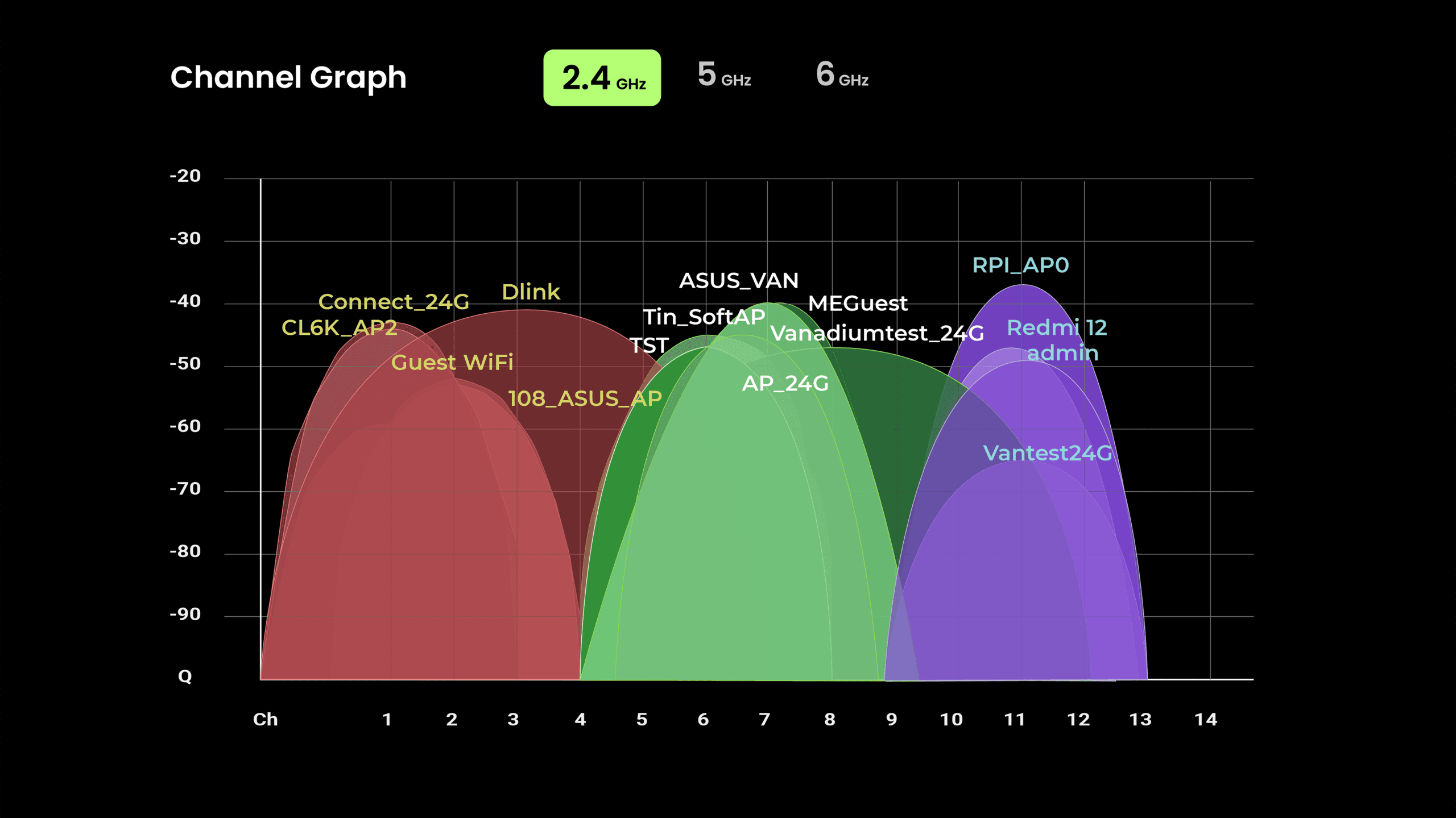
Figure 3. 2,4 GHz Wi-Fi Spectrum
In contrast, Figure 4 shows that the 5 GHz spectrum was distributed more evenly across channels, reducing interference and improving connectivity.
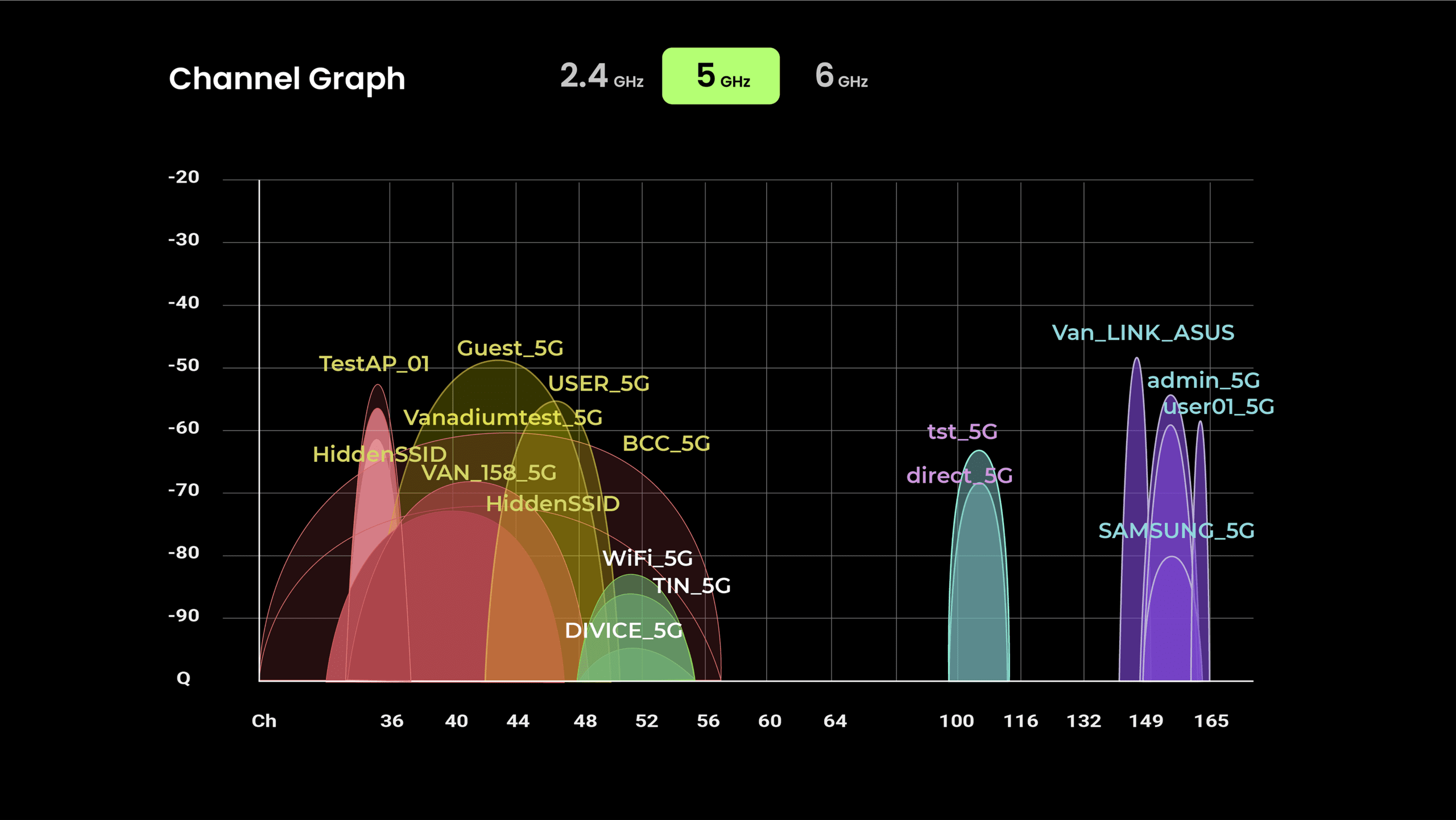
Figure 4. 5 GHz Wi-Fi Spectrum
Unlimited
Although both the 2,4 GHz and 5 GHz bands were tested with the same 20 MHz channel bandwidth, the 5 GHz band offered significantly higher performance. This improvement is primarily due to the cleaner, less congested spectrum available in the 5 GHz band.
- Fewer retransmissions: In the 2,4 GHz band, limited channel availability and high device density often lead to interference and packet collisions.
- More channels available: The 5 GHz band offers a greater selection of non-overlapping channels.
- Less interference: With less overlap with other technologies such as Bluetooth, Zigbee and microwave ovens, the 5 GHz band experiences less ambient noise.
- Efficient spectrum utilization: Devices operating in the 5 GHz band can take advantage of advanced Wi-Fi 6 features such as MU-MIMO (Multi-User Multiple Input Multiple Output) and OFDMA (Orthogonal Frequency Division Multiple Access).
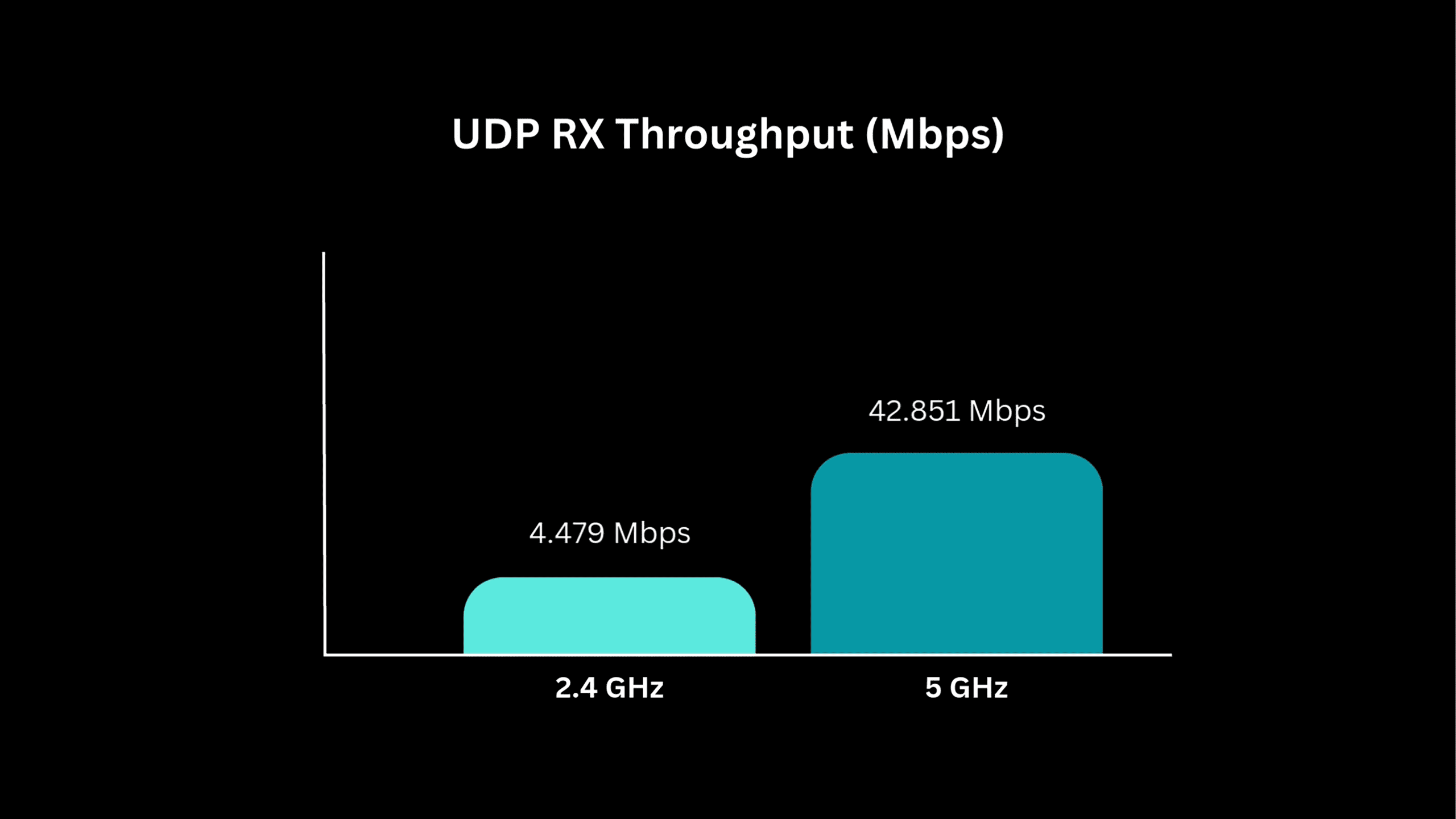
Figure 5. Wi-Fi Data Throughput – UDP RX
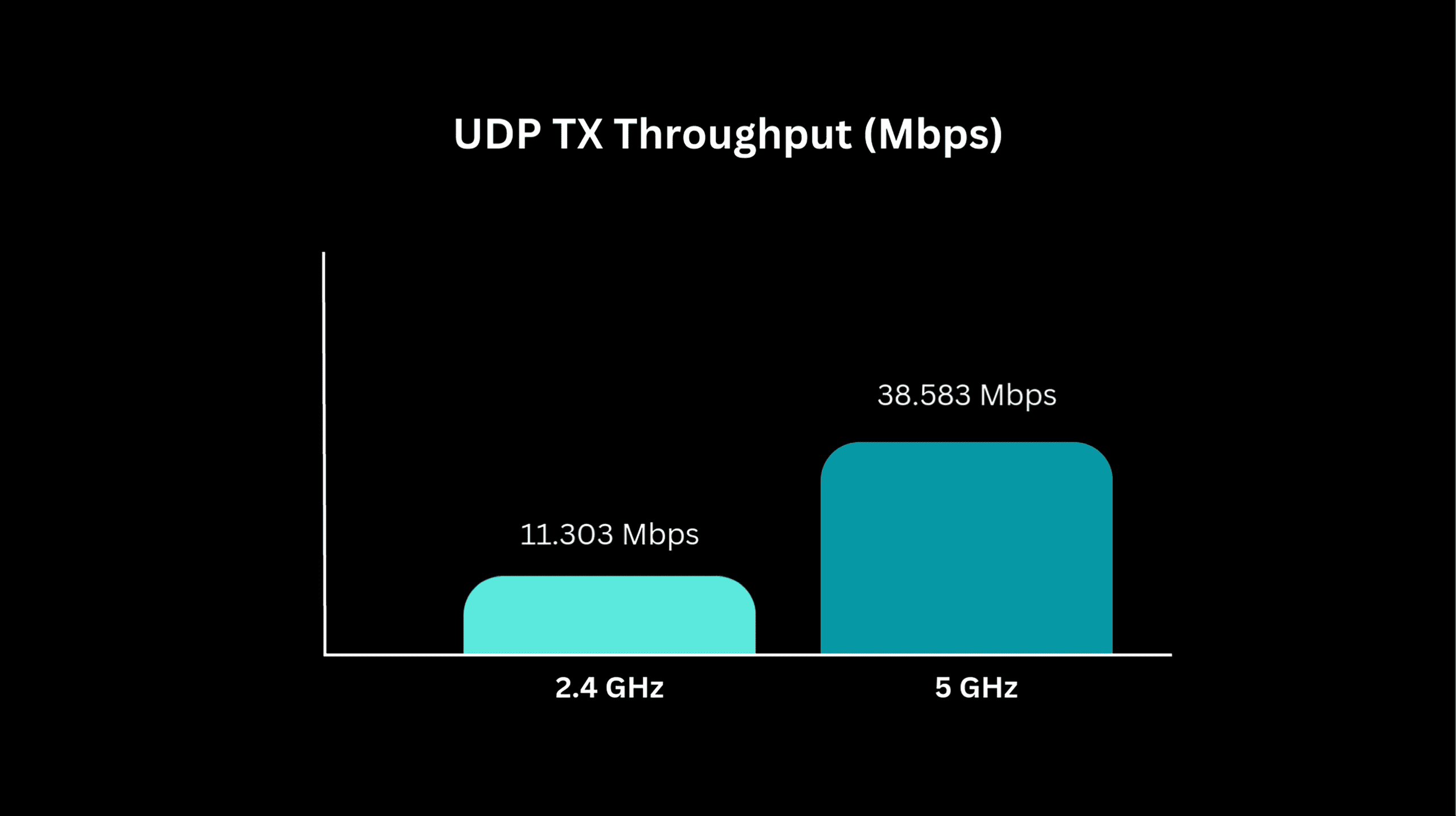
Figure 6. Wi-Fi Data Throughput – UDP TX
In practice, this translates to faster downloads, smoother data transmission, and more responsive IoT applications, especially in environments with many connected devices. This is clearly shown in the UDP measurements in Figures 5 and 6.
Latency
In performance tests, the 5 GHz band demonstrated a 2,5x reduction in ping round-trip time compared to the 2,4 GHz band. This significant improvement in latency is due to several key factors: faster transmission of management frames, which reduces bandwidth consumption; less interference, leading to fewer retransmissions and smoother communication; smaller coverage cells, which decrease client contention; and advanced MAC/PHY features, such as OFDMA and MU-MIMO, which allow multiple devices to transmit simultaneously and more efficiently.
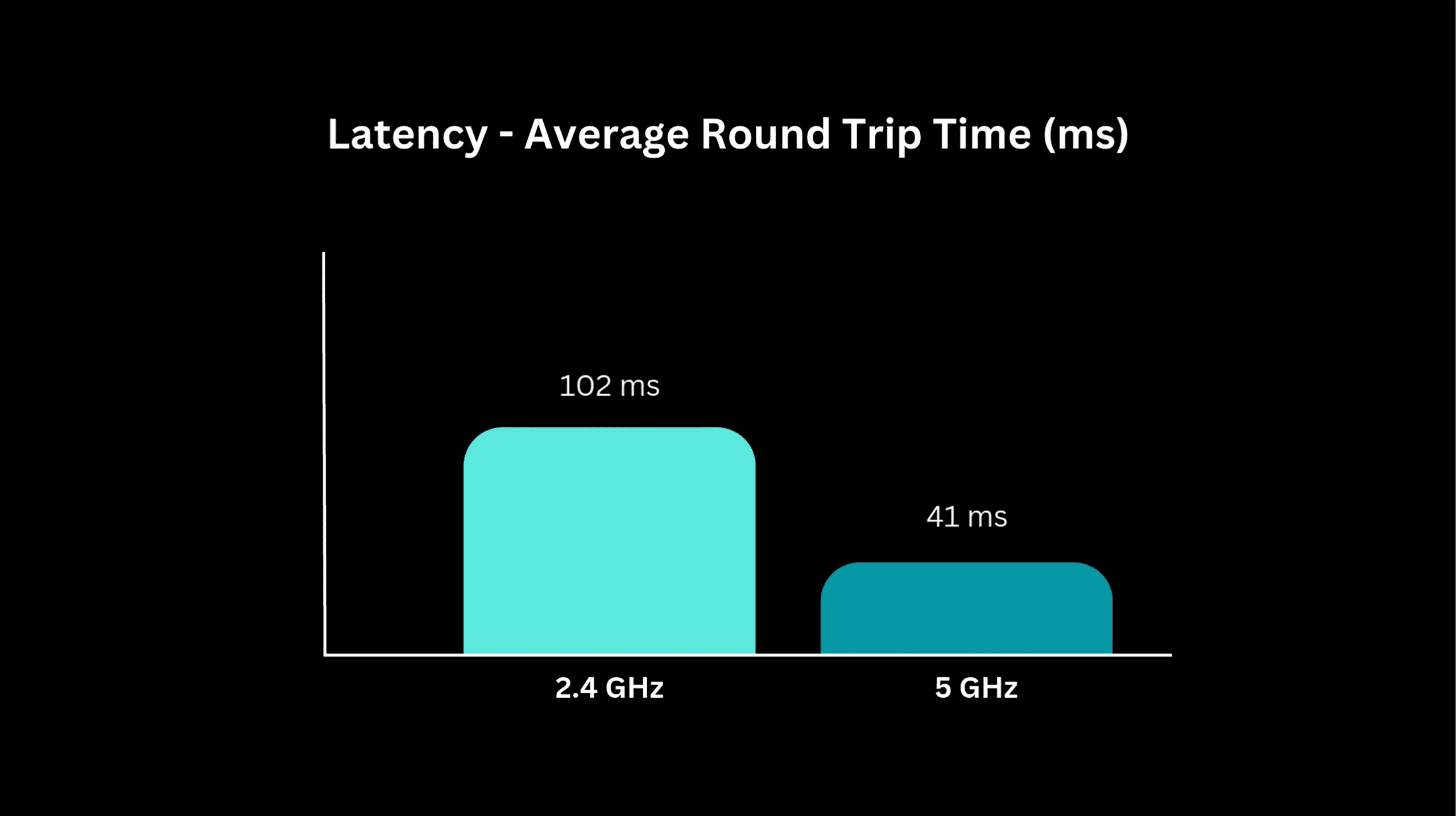
Figure 7. Round-trip Wi-Fi ping latency
Energy consumption
IoT devices are designed to save energy while maintaining cloud connectivity. To stay connected, these devices continuously monitor network beacons and send periodic connection maintenance signals that confirm their presence and readiness to communicate. The 5 GHz band offers a distinct advantage in this regard, with faster transmission speeds for beacons and other management packets. Less interference allows devices to complete active sessions more quickly and enjoy longer periods of low power consumption. This translates to approximately 20% lower power consumption, as shown in Figure 6: current consumption for 2,4 GHz is an average of 40 mA, compared to an average of 34 mA for 5 GHz.
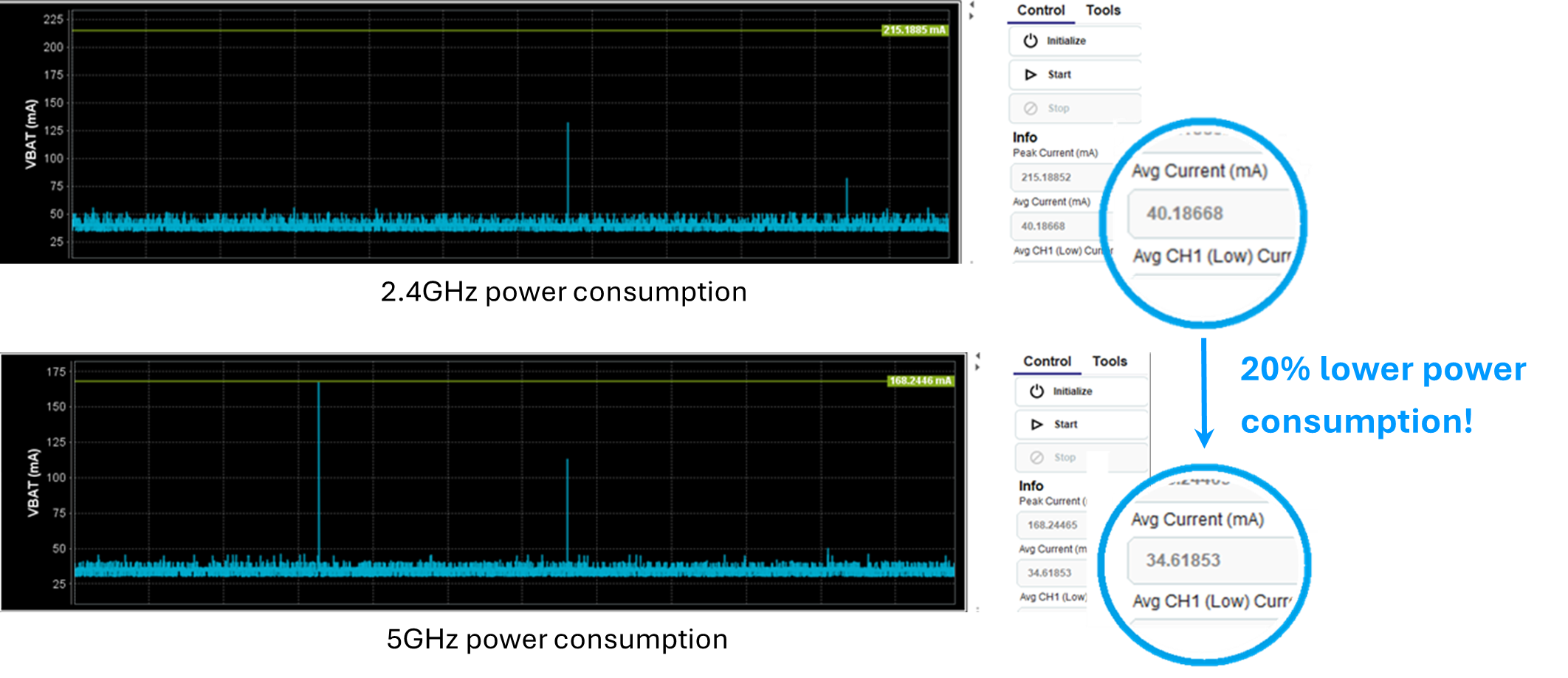
Figure 8. Current consumption measurement in 2,4 GHz and 5 GHz Wi-Fi
Dual-band compatibility: Balance between performance and coverage
While the 5 GHz band stands out for its excellent data transmission performance, signal integrity, and low power consumption, its shorter wavelength limits its range and wall penetration. Conversely, the 2,4 GHz band, with its superior propagation characteristics, is ideal for long-range applications such as smart meters and environmental sensors, although it has limitations in data transmission performance and high power consumption.
Compatibility with both bands provides the flexibility needed to meet the diverse requirements of modern IoT deployments, balancing data transmission, coverage, and energy efficiency.
Renesas RA6W1: A dual-band solution for modern IoT
Renesas has expanded its portfolio of microcontrollers for advanced IoT architectures with the RA6W1, an ultra-low-power dual-band Wi-Fi 6 microcontroller designed for continuous connectivity.
The RA6W1 integrates Wi-Fi 6 capabilities, offering:
- 2,4 GHz band for extended coverage and robust connectivity in high interference environments.
- 5 GHz band for high data throughput, reduced latency and optimized energy efficiency.
This microcontroller leverages Wi-Fi 6 enhancements, such as OFDMA for efficient channel utilization and Target Wake Time (TWT) for power savings in battery-powered devices. Thanks to its advanced radio frequency performance and dual-band flexibility, the RA6W1 ensures deterministic, low-latency communication across a wide range of IoT applications, from smart home ecosystems to industrial automation and mission-critical systems.
For detailed specifications and design resources, visit the RA6W1 product page and explore Renesas' comprehensive portfolio of dual-band Wi-Fi 6 solutions, designed for scalable, resilient, and future-proof IoT deployments.