The Rise of Inductive Technology in Position Detection
Author: Ruggero Leoncavallo, Director of Inductive Position Sensors, Renesas
Figure 1: Dual coil sensor element
In the ever-evolving landscape of position sensing technologies, inductive sensing has emerged as a robust, accurate, and cost-effective alternative to traditional magnetic and optical methods. Unlike magnetic sensors that use permanent magnets or optical encoders that require clean environments and precise alignment, inductive sensors operate on the principle of electromagnetic coupling between coils and metallic targets. This magnet-free approach offers immunity to stray fields, tolerance to misalignment, and durability in harsh environments, making it ideal for both automotive and industrial applications.
Renesas Electronics, a global leader in semiconductor solutions, has been at the forefront of this transformation. Its latest innovation, the Renesas Coil Optimizer for Position Sensors, represents a revolution for engineers seeking to design, simulate, and optimize inductive sensing elements with unprecedented accuracy and ease.
How inductive position detection works
Inductive position sensing works by generating an alternating magnetic field across the transmitter coils and detecting the voltages induced in the receiver coils as a conductive target moves across them. The pattern of induced signals corresponds to the target's position. For high-precision applications, especially those requiring absolute position feedback and precise resolution, a system of dual receiver coil This is essential. This configuration enables techniques such as Vernier interpolation, where two receiver coils with slightly different geometries produce overlapping signals that can be mathematically combined to achieve ultra-fine angular or linear resolution. The dual-coil configuration not only improves accuracy but also allows for absolute position detection without the need for return-to-home routines.
Why does inductive technology outperform magnetic and optical alternatives?
Inductive position sensors offer several attractive advantages:
- Immunity to scattered fieldsUnlike magnetic sensors, inductive sensors are inherently immune to external magnetic interference, ensuring stable performance even in environments with electromagnetic noise.
- It does not require airtight mountingOptical sensors typically require precise alignment and clean conditions. Inductive sensors, on the other hand, tolerate mechanical misalignment and contamination, reducing manufacturing complexity.
- Rental incomeInductive sensors eliminate the need for expensive magnets and optical components, reducing the bill of materials (BOM) while maintaining high performance.
- DurabilityWith no moving parts and robust PCB-based coil designs, inductive sensors excel in environments with vibration, dust, humidity, and extreme temperatures.
These attributes make inductive technology especially attractive for applications where reliability, accuracy, and cost are critical.
Applications in the automotive and industrial sectors
Renesas' inductive position sensors are already being implemented in a wide range of applications:
- AutomotiveFrom steer-by-wire systems to motor switching and resolver replacement, inductive sensors offer high-speed, high-precision feedback, meeting ISO26262 standards for functional safety.
- IndustrialIn robotics, automation, and factory equipment, inductive sensors provide accurate angular and linear measurements, enabling closed-loop control and predictive maintenance.
While automotive applications benefit from the robustness and safety features, it is in industrial environments, particularly in robotics and precision machinery, where the technology truly shines.
Industrial Precision: We meet the demands for high precision and resolution
Industrial applications often demand ultra-precise measurements, especially in robotics, CNC machines, and semiconductor equipment. Renesas' latest inductive integrated circuit, the RAA2P3226, is designed to meet these demanding standards.
This dual-coil inductive sensor supports configurations such as Vernier mode, which combines two coil systems with a slightly different number of pole pairs (N and N-1). This configuration allows for:
- Absolute position detectionThe Vernier principle allows the sensor to determine the position over multiple periods, eliminating the need for return-to-initial-position routines.
- High resolution and precisionThe RAA2P3226 achieves a resolution of up to 19 bits and a precision of 15 bits, making it ideal for applications requiring sub-grade precision.
This dual-coil capability is especially useful in industrial robotics, where angular measurements can now be achieved with a accuracy up to 0,01°.
The sensor element: a critical component in inductive design.
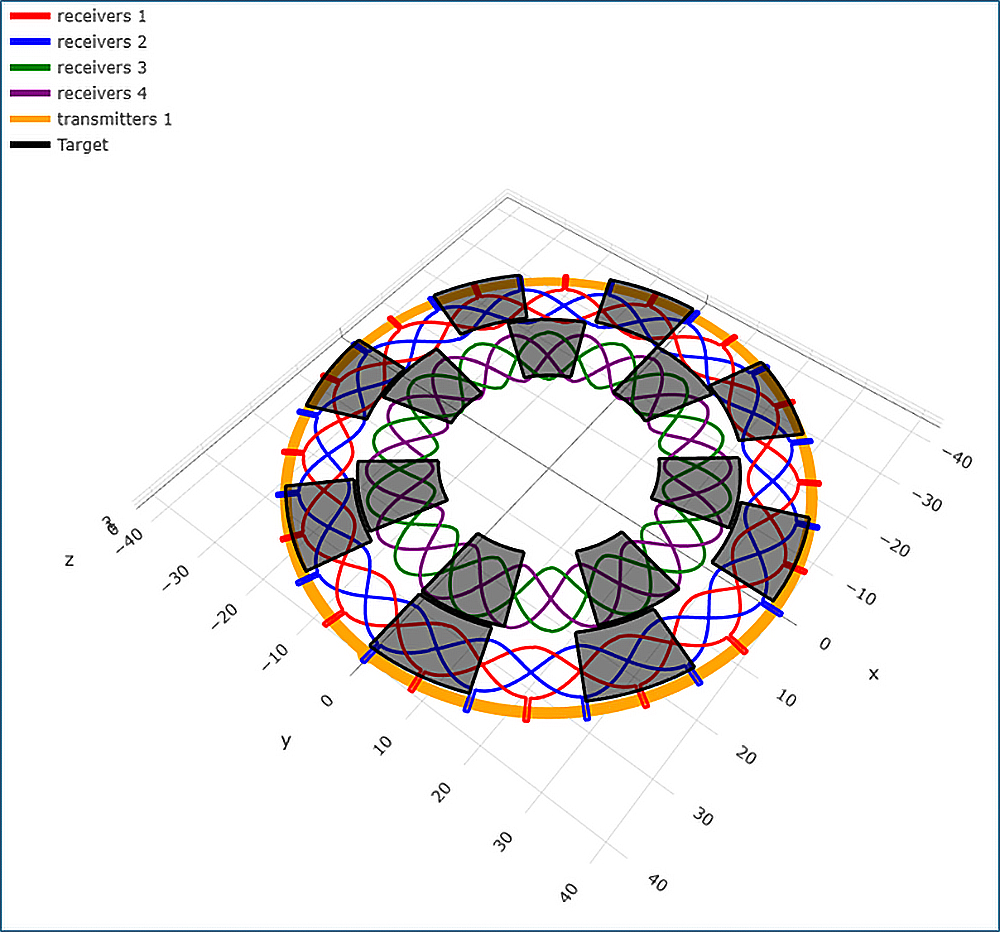
At the heart of every inductive position sensor lies the sensor elementA sensor is a set of transmitting and receiving coils etched onto a printed circuit board (PCB). The geometry, spacing, and arrangement of these coils directly influence the sensor's performance.
Designing this element is a complex task. Engineers must consider:
- Coil geometryThe shape and size of the coils affect the inductance, signal strength, and resolution.
- Mechanical displacementThe sensor must maintain accuracy throughout the entire range of motion.
- Performance optimizationFactors such as air gap, material properties, and environmental conditions must be taken into account.
Until now, this process required exhaustive simulation, manual adjustments, and iterative prototyping.
Discover Renesas' coil design tool: Automating excellence
Renesas' new Inductive Coil Design Tool (ICDT) revolutionizes this process. Based on a flexible, template-based architecture, the tool allows users to:
- DesignChoose from rotary, arc or linear motion templates, and configure single, double or redundant coil configurations.
- SimulateRun real-time simulations with 3D visualizations, inductance estimates, and predicted signal voltages using machine learning models.
- Optimize: Automatically generate performance-optimized coil designs, including Gerber files for PCB manufacturing.
The tool supports configurations such as:
- Single coil: Simple and cost-effective for basic detection.
- Dual coil: High-resolution, absolute position detection.
- Redundant coil: Systems with galvanic isolation for safety-critical applications.
Each user receives a dedicated workspace through MyRenesas, allowing them to track simulations, review results, and download files seamlessly.
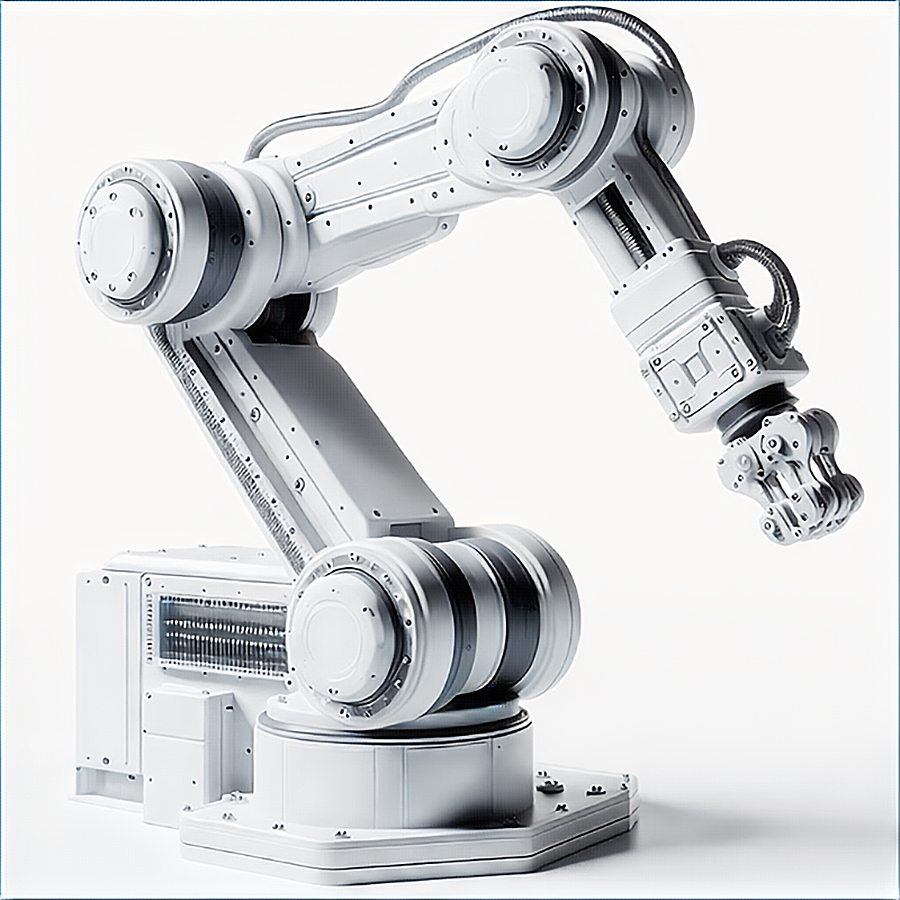
Figure 2: Robotics as the next revolution
Impact on robotics: Setting a new benchmark
In robotics, precision is paramount. Whether it's joint angle feedback, motor switching, or end-effector positioning, even the slightest inaccuracies can lead to performance degradation or safety hazards.
With Renesas' dual-coil inductive sensors and the ICDT, engineers can now achieve:
- Ultra-precise angular measurementsAccuracy up to 0,01 ° This allows for precise control in robotic arms and autonomous systems.
- Compact integrationPCB-based coils allow for thin, integrated designs that fit into tight mechanical structures.
- Robust operation: Immunity to dust, moisture and vibrations ensures reliable performance in industrial environments.
This combination sets a new standard in inductive position sensing, enabling robotics engineers to push the boundaries of automation.
Renesas revolutionizes inductive position detection
Renesas' new coil design tool marks a significant milestone in the evolution of inductive position sensing. By automating the design, simulation, and optimization of sensing elements, it removes barriers to adoption and accelerates innovation.
Whether you're designing a robotic joint, an industrial actuator, or a safety-critical automotive system, Renesas delivers the precision, flexibility, and reliability needed for success.
As industries continue to demand smarter, safer, and more efficient systems, tools like Renesas' coil design will play a critical role in the future of sensing technology.
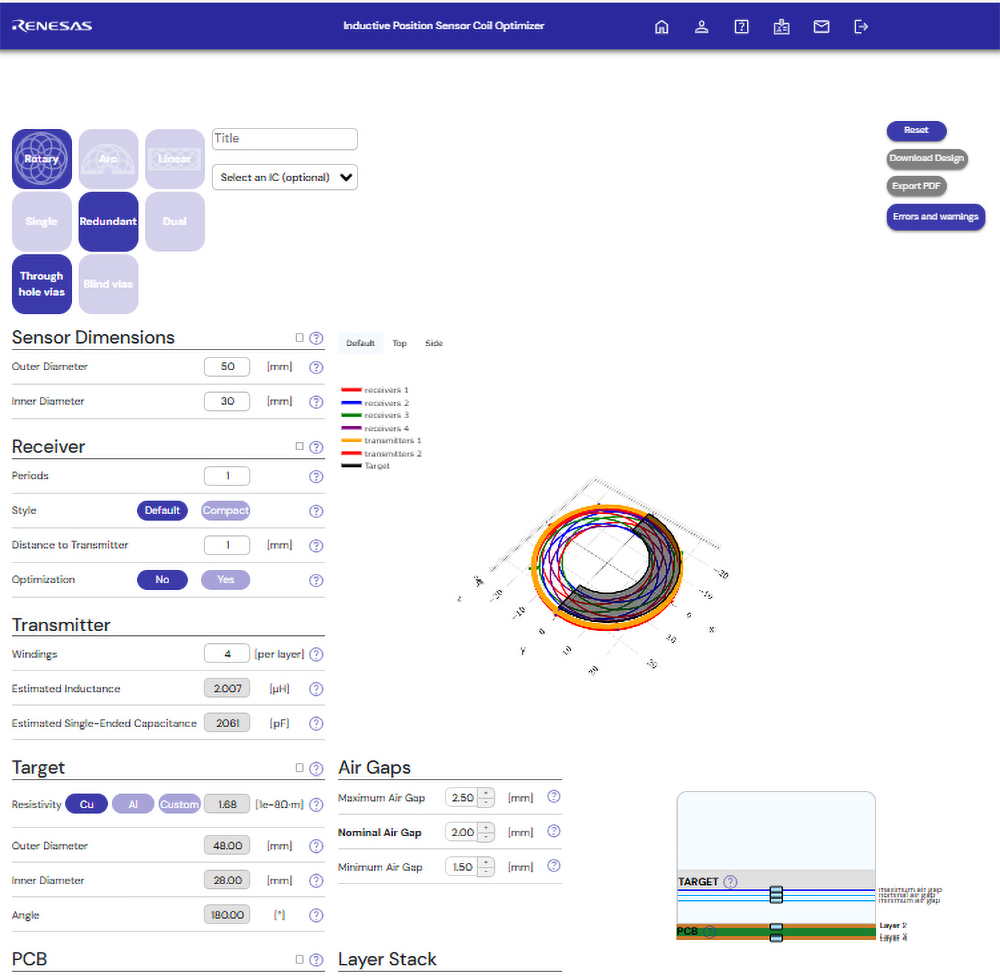
Figure 3: Renesas inductive position sensor coil optimizer