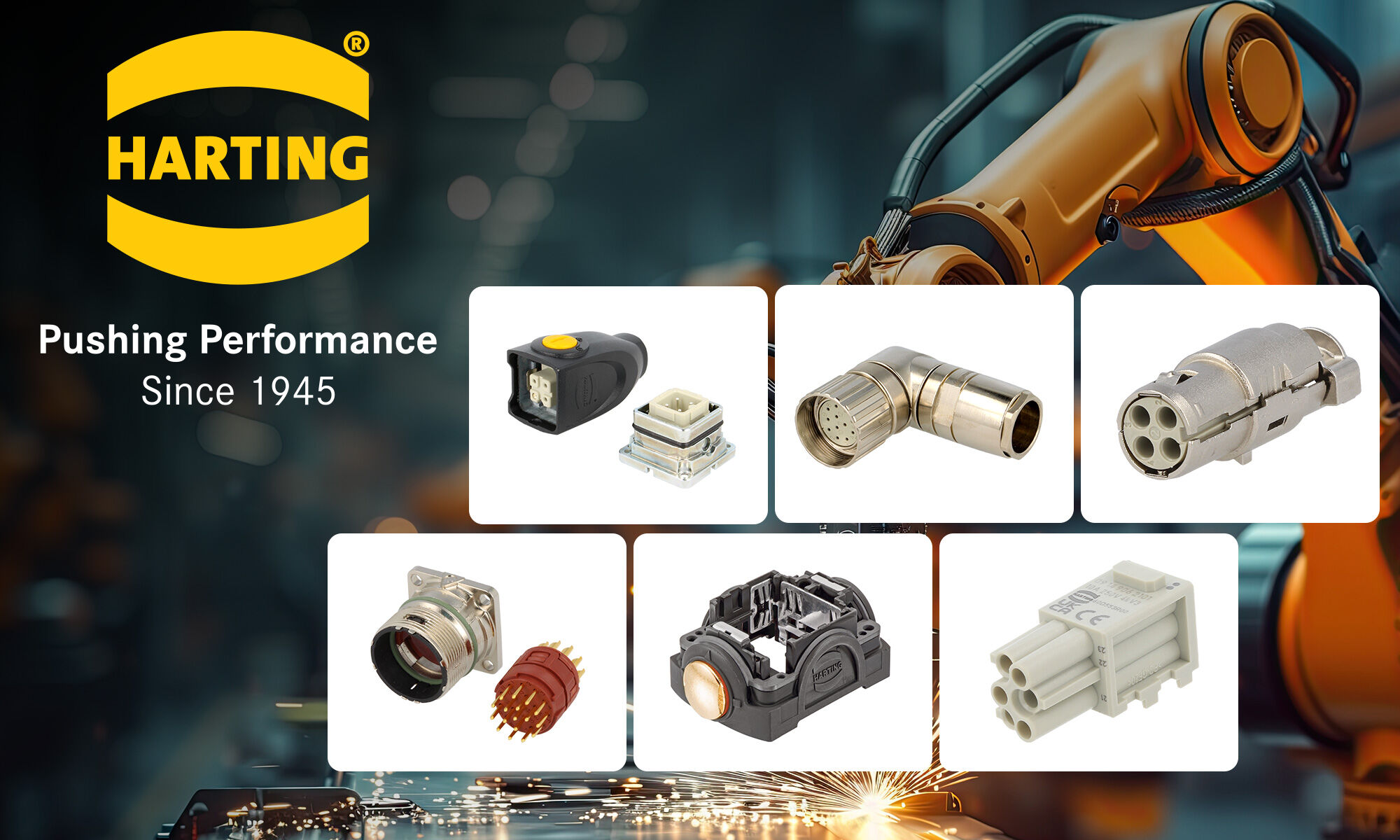
Robotics involves movement, vibrations, confined spaces, and frequent configuration changes. Therefore, connections must be selected according to the work area. In this article, we present HARTING solutions as components of a complete connection architecture for robotics.
HARTING brand connectors, plugs and cables They have been trusted for decades by professionals building complex industrial systems, including in the field of automation/robotics. The products are designed to transmit various signals and power, as well as drive controlThey are resistant to many mechanical factors (continuous and repetitive movement, vibrations, etc.). The text below presents a HARTING's product overview taking into account the requirements found in the construction of industrial robots.
In this article we cover topics such as:
- General characteristics of robotics as a discipline in automation
- Diversity of zones in robotic facilities
- Key parameters of connectors for robotics
- Selection of HDC elements in the HARTING offer
- Possibilities and limitations of M12 connectors/cables
- Optimal commitment offered by M17 products
- M23 connectors, or high performance and resistance
Specificity of connections in robotics
The connectors used in robotic installations (whether in an automated system or on a standalone machine) are key to the device durability, ease of maintenance, and scalabilityAt the same time, this branch of engineering presents many challenges to designers related to movement, vibrations, interference in control signals, etc. Furthermore, connectors require, among other things, the Possibility of quick replacement, ability to operate in confined spaces, mechanical resistance and – very importantly – standardizationWell-chosen connectors shorten the startup time of robotic installations and reduce the risk of service errors.
In this article we present solutions from the HARTING brand that perfectly adapt to the requirements of robots such as:
- tweezers,
- presence and positioning sensors,
- conveyors,
- positioners,
- rotating tables,
- cameras or vision systems.
Furthermore, these connectors are designed with industry and automation in mind, so they can also be used in applications strictly related to robotics:
- safety curtains,
- I/O modules,
- control cabinets,
- drive power and control systems.
Zones, or typical connector applications
Before describing specific product groups, we will outline the Main application areas of HARTING connectors in roboticsDetermining the overall purpose will help you quickly find the product group with the optimal specifications. Of course, this doesn't mean that other families or series of connectors or cables are completely unsuitable.
Robot tool and gripper area
If these elements are located at the end of the arm, they will be very important. dimensions and weight of the connectors used – these factors will indirectly affect the precision of the entire mechanismEase of replacement and resistance to movement are also important. The HARTING products that best meet these requirements are the M12 cables and connectorsFor higher current requirements, also M17.
Cable guides and moving parts
In other words: points where a static controller connects to moving actuator elements. Dynamic cabling and operational connectors must be resistant to repeated bending, protect the circuit against stress, and facilitate orderly cable routing.Virtually all HARTING products meet these requirements or can be adapted for these applications.
Robot base, drives and actuator modules
In these areas there are high current capacity requirementsThe connectors and cables will serve as interfaces for power, control signals, and direct drive control. Therefore, it would be advisable to first consider models with large conductive contact surfaces, i.e. products M17 and M23.
Connection between control cabinet, robot and station modules
Here you are required typically industrial resistorsboth in electrical and mechanical parameters. They will also be important extensive configuration possibilities and a high degree of watertightnessThis perfectly matches the characteristics of the products. HDC and M23.
Key challenges
Regardless of the specific application, connectors and cables used in robotics will be exposed to various adverse environmental factors and different types of loads. It is essential to ensure that every contact, plug, and cable demonstrates durability under such conditions.
Repetitive motion and vibrations
Robots and cobots (collaborative robots) work in repetitive cycles for many hours a day. Each cycle involves axis movement, cable repositioning, vibrations, and mechanical loads. If the products (parts) used for connection are poorly selected, the consequences may only appear after some time. These can include, for example: signal interruptions, sensor failures, axle stoppage, communication problems, or the need for an emergency stop.
When designing the installation and searching for suitable components, the following should be considered:
- use of standardized cables and connectors in repetitive applications (ease of replacement);
- avoid tensions at the points between cable and connector and use connectors with cables securely fastened;
- cable length with margin, but not excessive (specialized manufacturers like HARTING offer factory wiring in many sizes).
Limited space
The size of connectors and cables is important for the precision and ergonomics of the mechanism, although this factor is sometimes determined by the construction itself. Many components of a typical robot have tight spacesAnd in addition to clamps, suction cups, sensors, valves, pneumatic cables, sometimes extra cameras or I/O modules, they must accommodate connectors, cables and other interface elements. Reduce weight and number of cables at the end of the armFor example, with connectors adapted to specific applications, it will allow for the creation of complex mechanisms.
Modification, maintenance and scalability
One of the most important features of any automation installation is the ability to scale, modify and perform maintenance/service as quickly as possible (i.e., minimizing downtime). HARTING multifunctional connectors allow for the modular construction of robotic systems, therefore they are easy to repurpose, calibrate and upgrade.
Main product groups
Taking into account the numerous challenges they face Plugs, connectors and cables in the field of roboticsLet's see how HARTING, one of Europe's most renowned manufacturers of industrial connectors, outperforms them. Below are some of the product groups that the supplier offers. specifically intended for automation applications (among other).
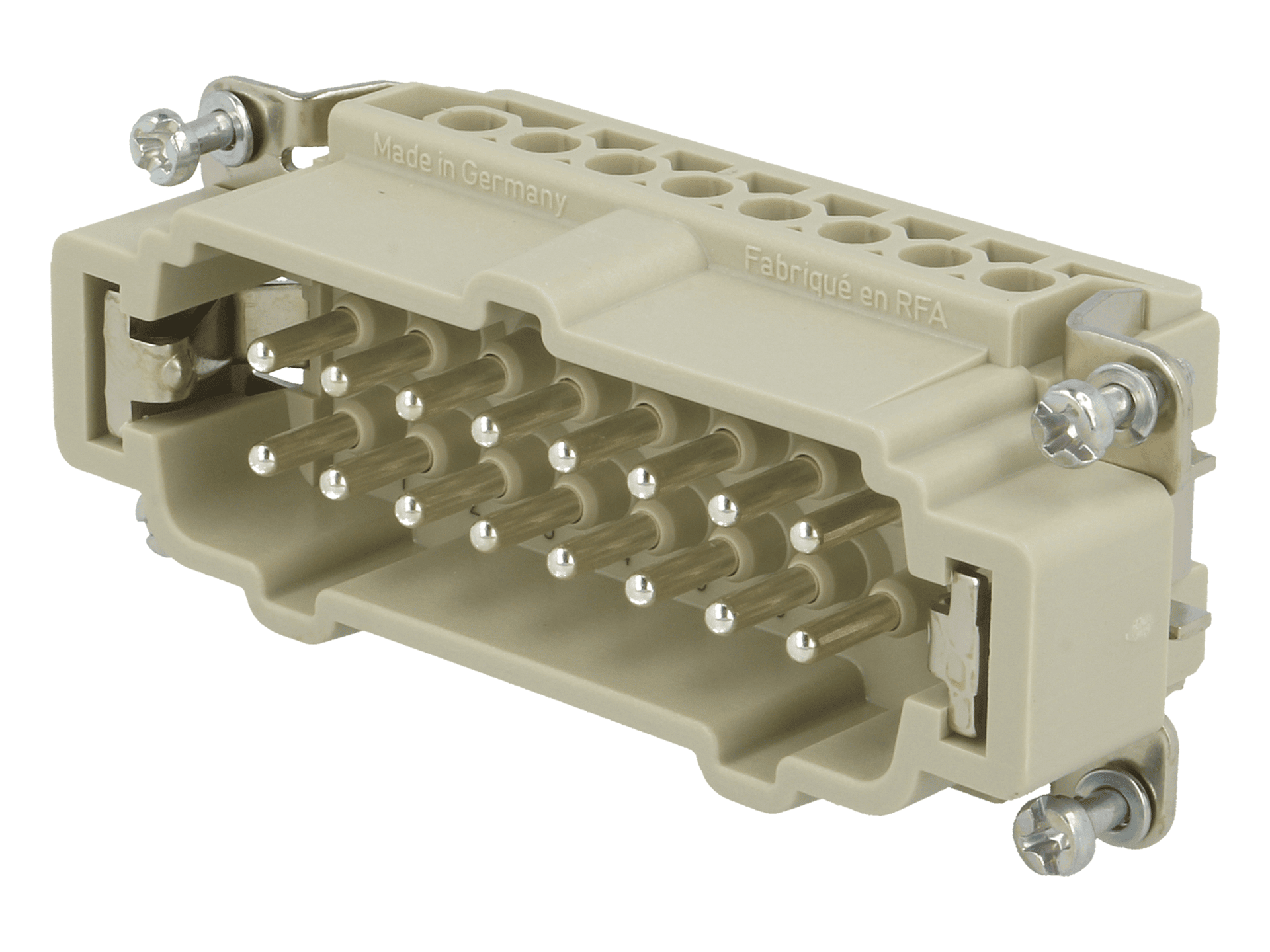
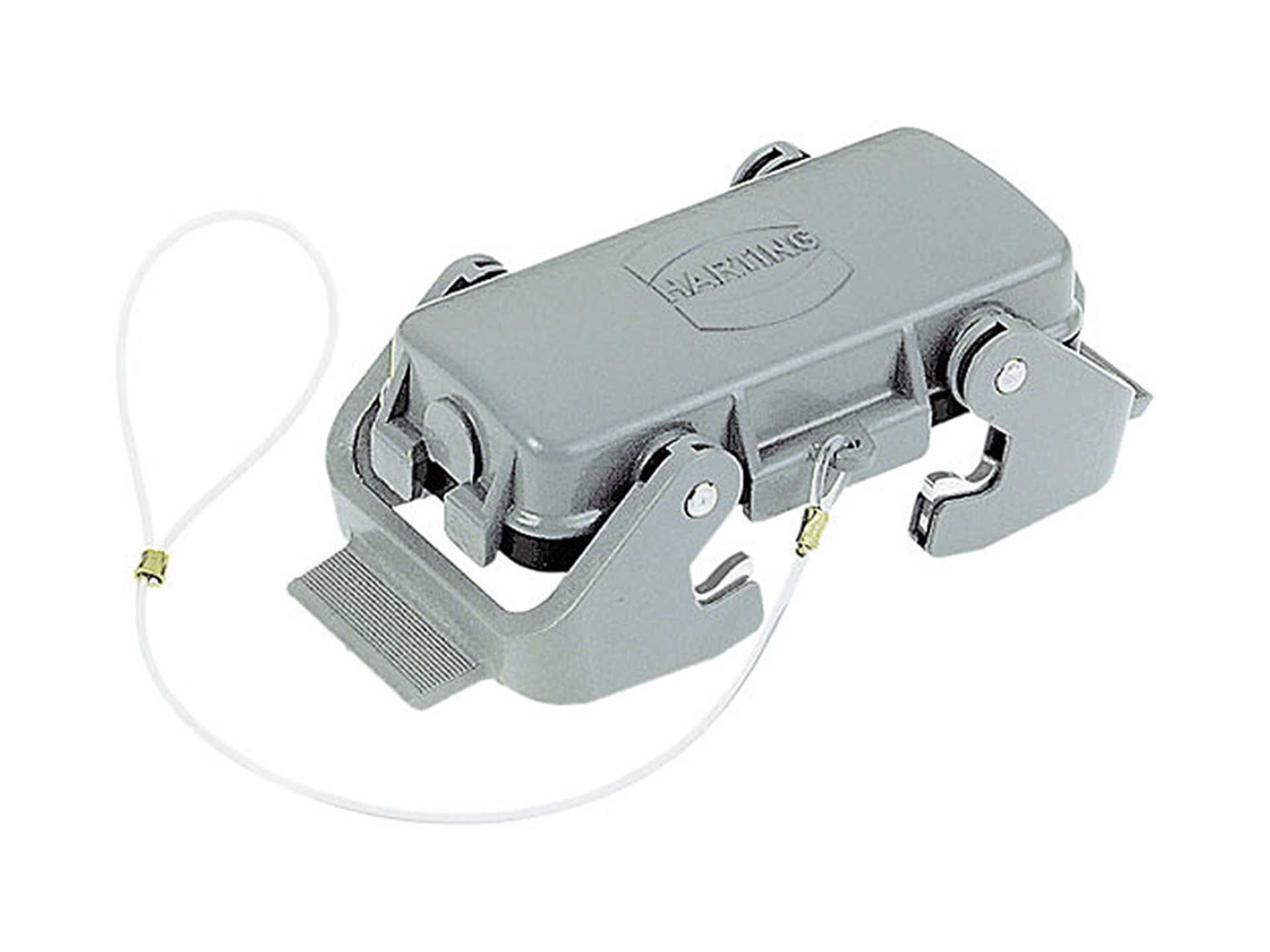
HDC Connectors
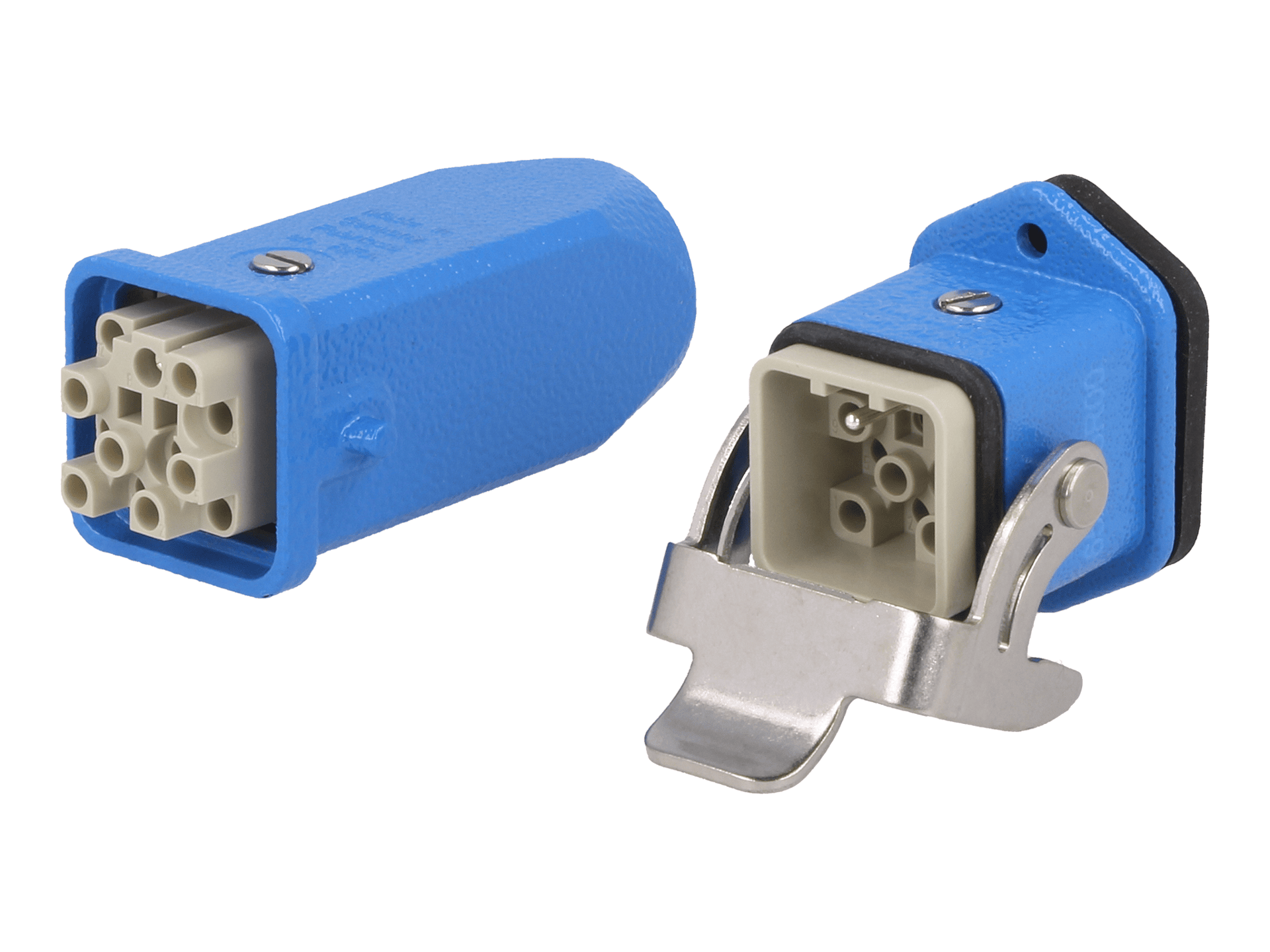
HDC connectors, as their name suggests, are protected against very difficult environmental conditionsOn the other hand, they have relatively large dimensions and weight (often with a metal casing). They also feature contacts capable of conducting large currentsThis type of connector It exists in hundreds of variants for both power and signals.
|
|
|
|
M12 connectors and cables
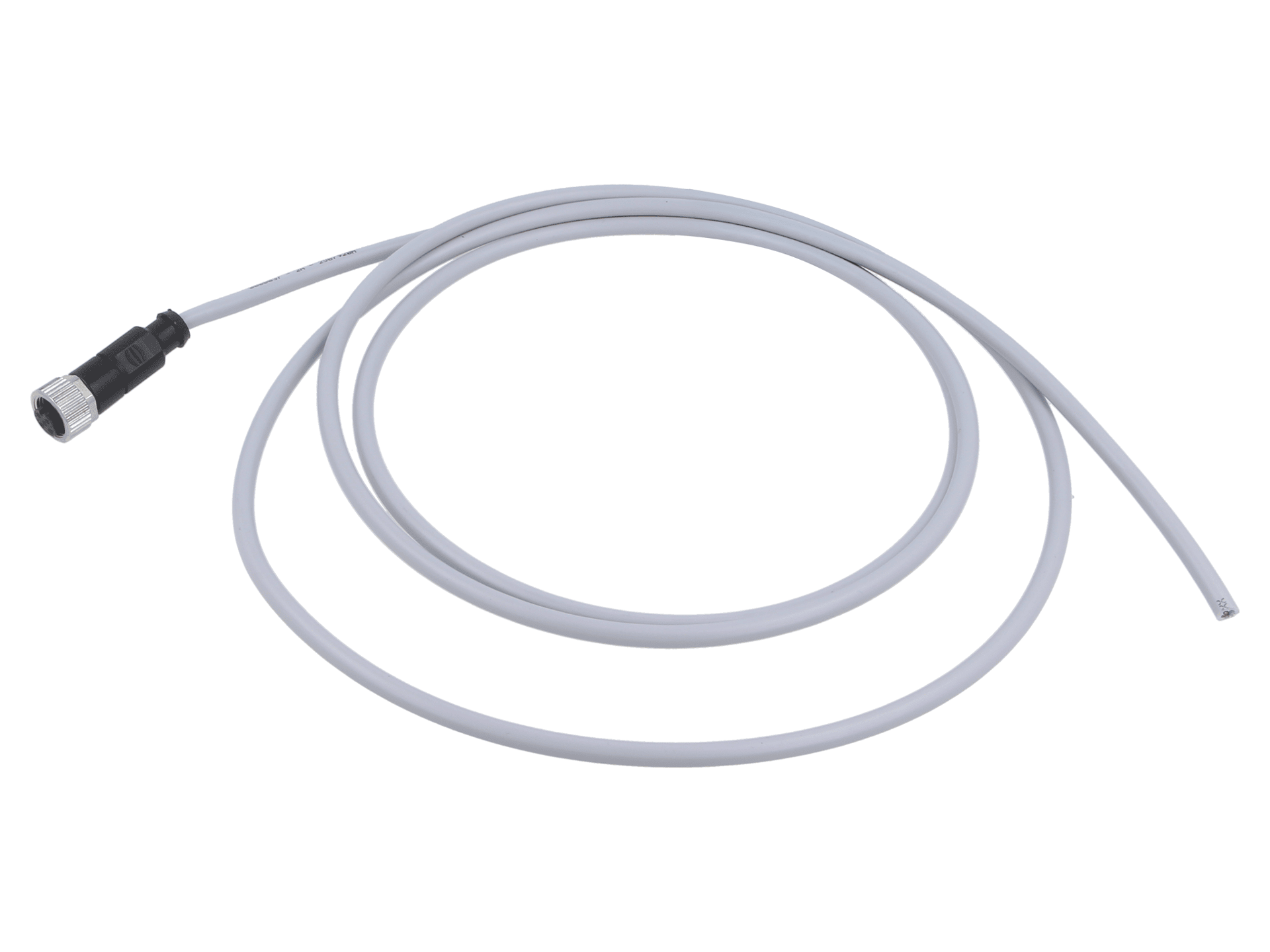
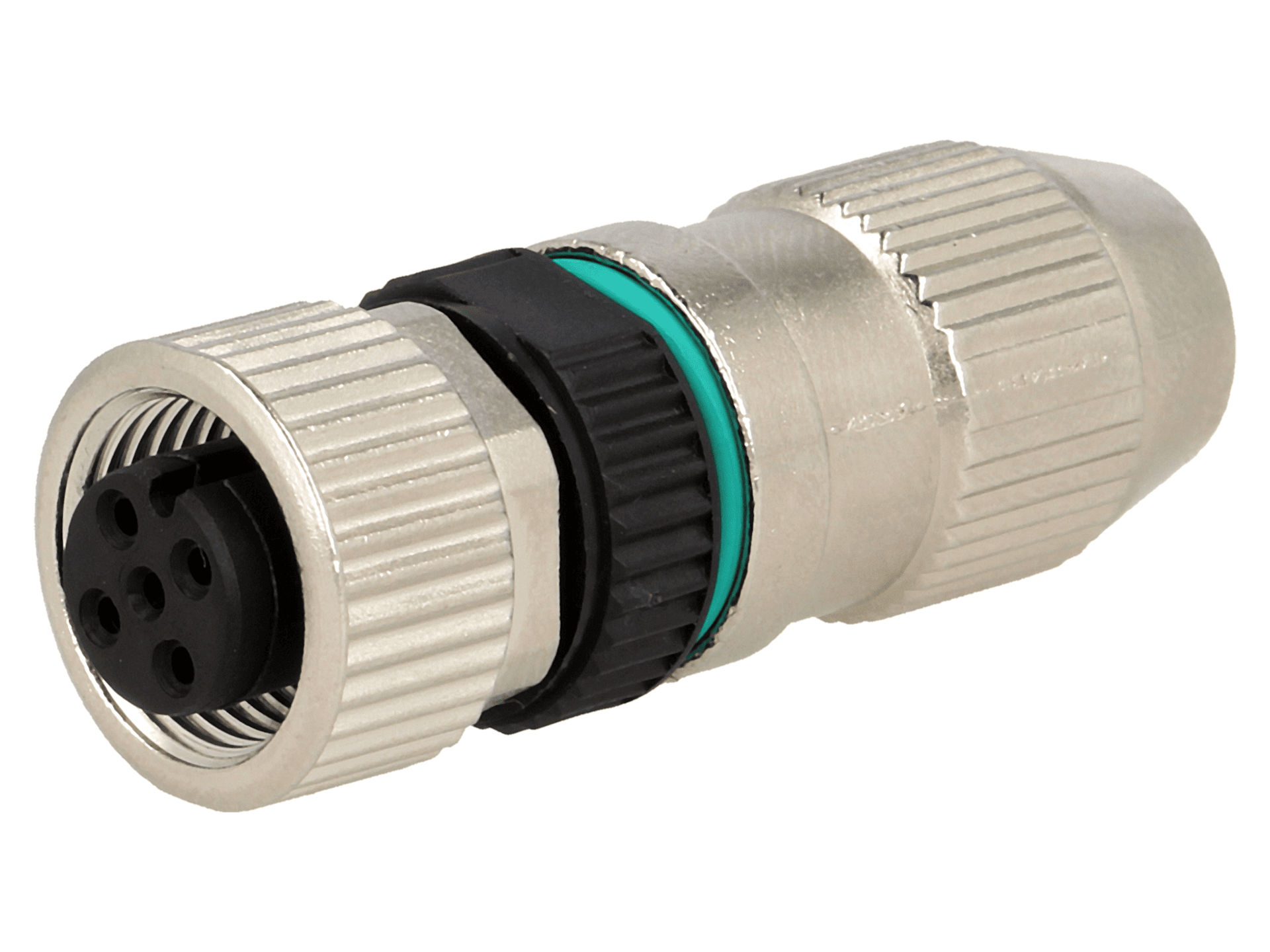
HARTING products in M12 format include not only plugs and connectors, but also pre-assembled cables. These products offer a compact design, sacrificing contacts with lower electrical capacity (up to 12A and 630V).
This group stands out for its wide range of prefabricated cables because M12 connectors are a standard on many sensor modulesThis means that the parameters and configurations are standardized to some degree. Although the M12 format is also used in non-standard configurations, this partial standardization (especially in sensors and peripherals) helps to accelerate machine assembly and maintenance.
 |
|
|
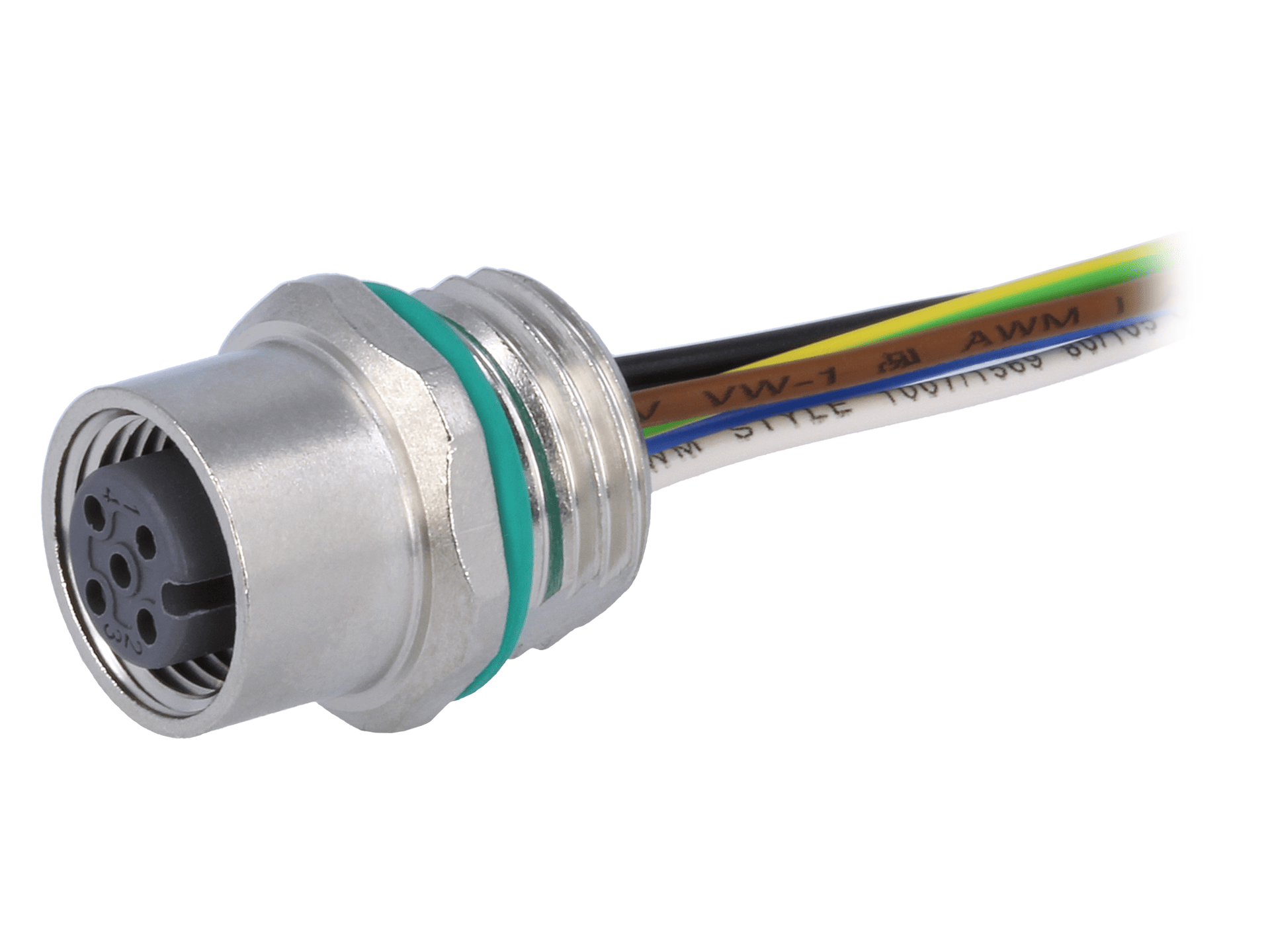
The small size and wide range of available solutions make M12 connectors fit many connections in robots:
- in the clamp,
- in position sensors,
- in input/output modules,
- in security devices,
- in communication connections.
Adapting the robot to use prefabricated M12 cables reduces assembly time and potential repairs. In case of failure, the entire cable can be replaced, which It eliminates the need for detailed and lengthy diagnoses..
M17 connectors, a commitment with broad potential
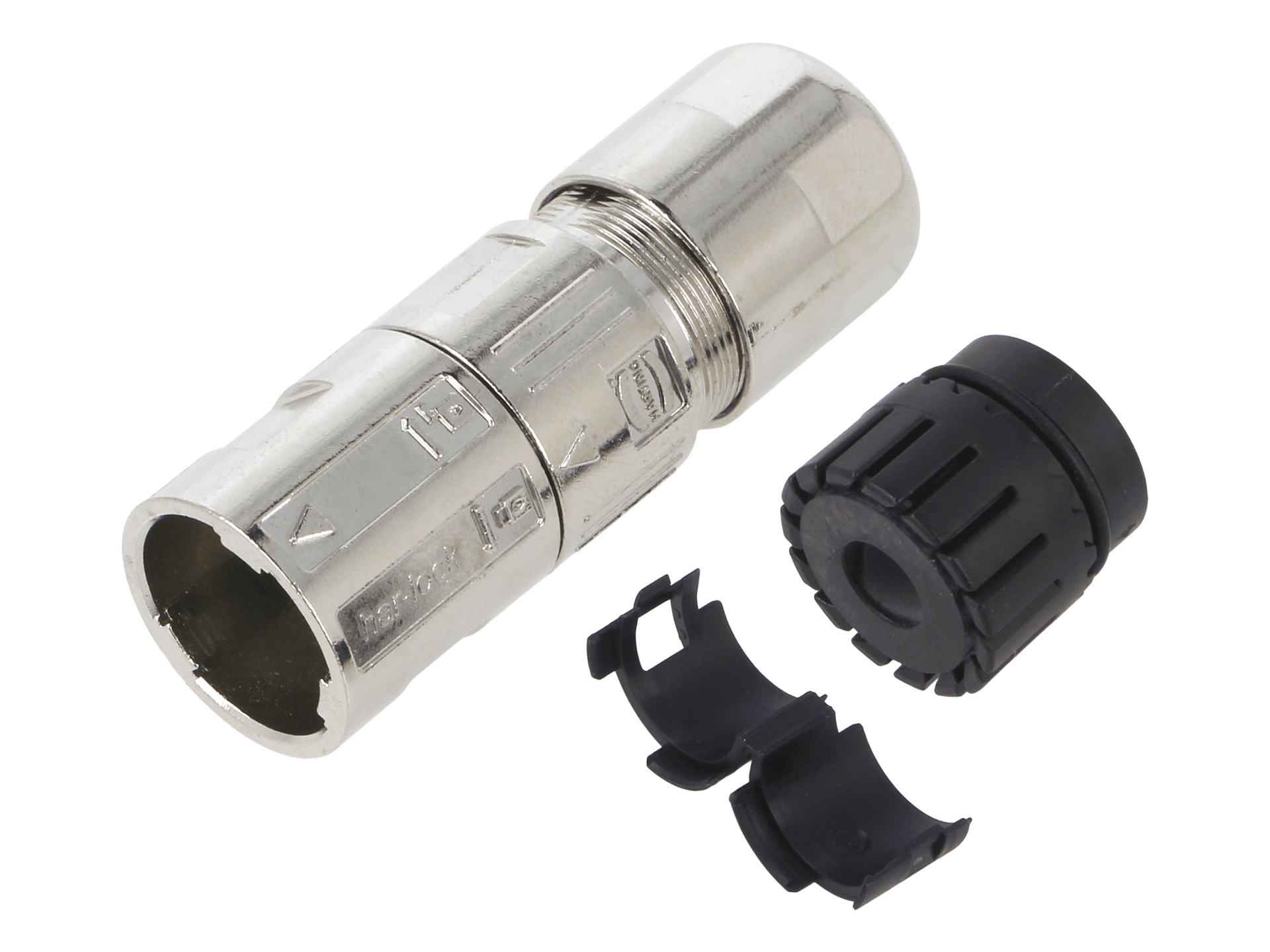
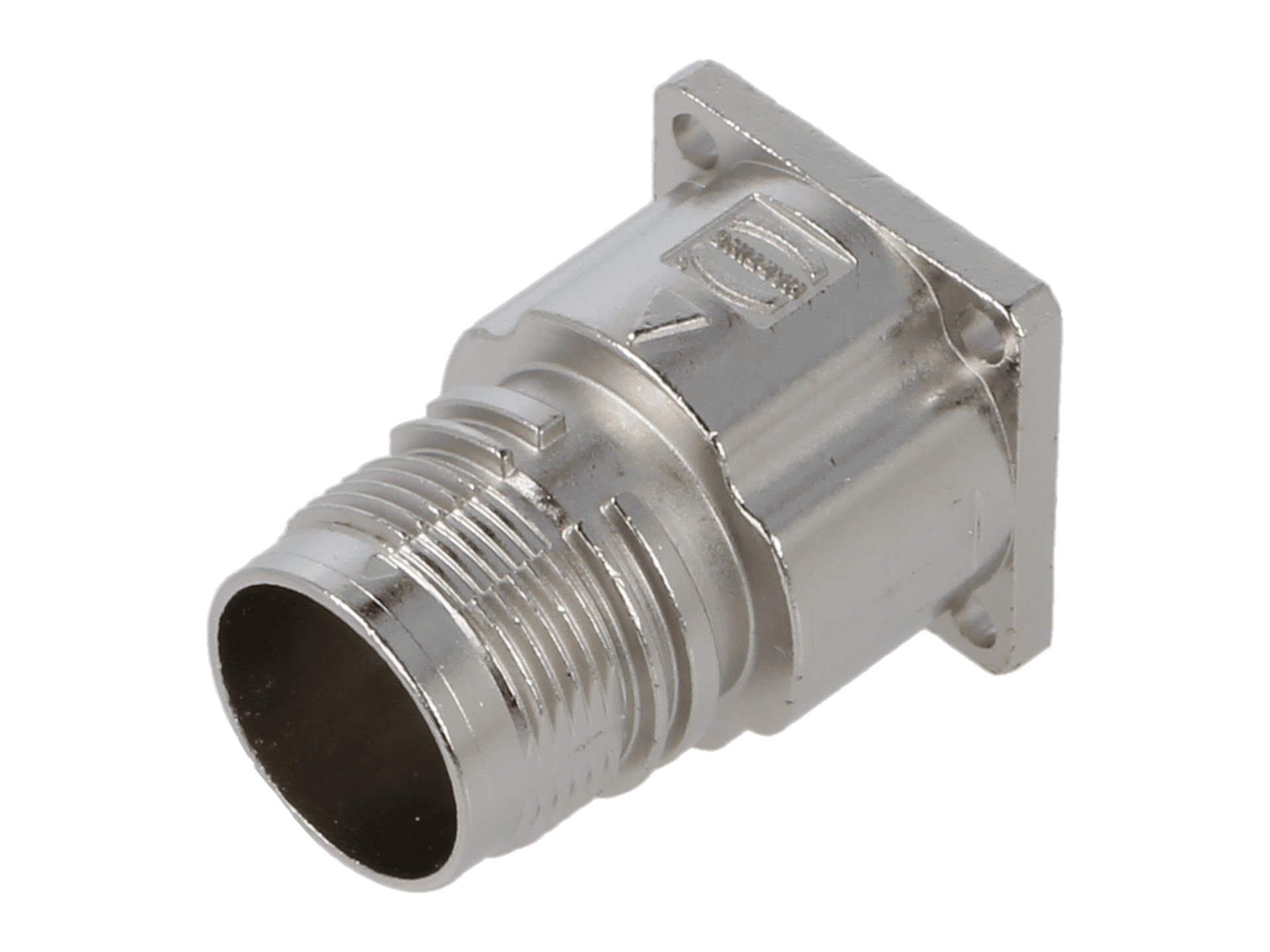
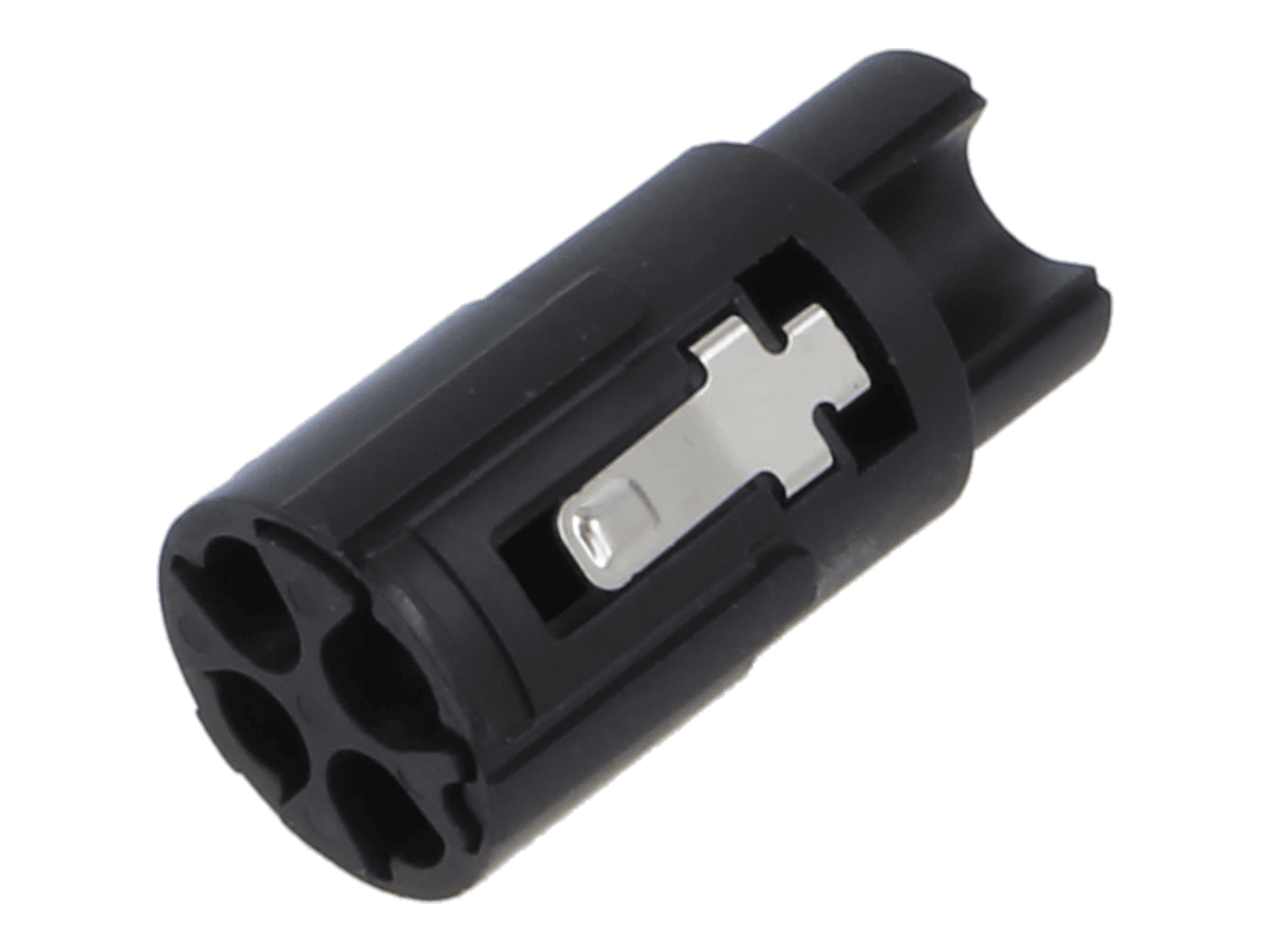
M17 connectors are an intermediate solution between the compact M12 and the high-current M23. They are suitable for confined spaces while still offering relatively high electrical parameters (depending on the model). In robotics, these needs can arise in wiring for:
- compact actuator modules,
- auxiliary axles,
- accessory elements,
- signal connections with a large number of channels.
M17 can be considered a solution for locations where the application requires a more elaborate connection than a typical M12, but where Compact size remains key.
|
|
|
|
M23 connectors for many possibilities
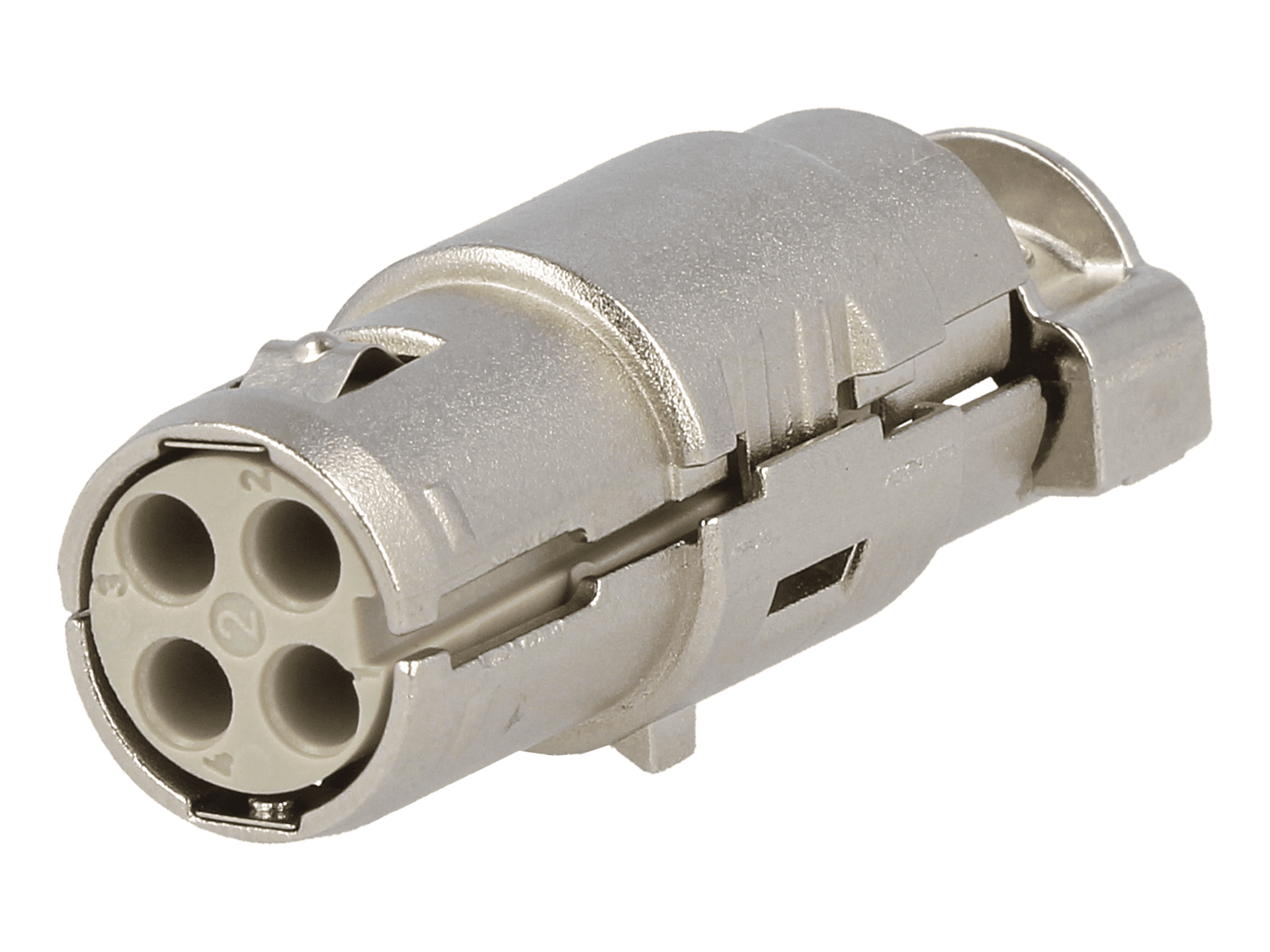
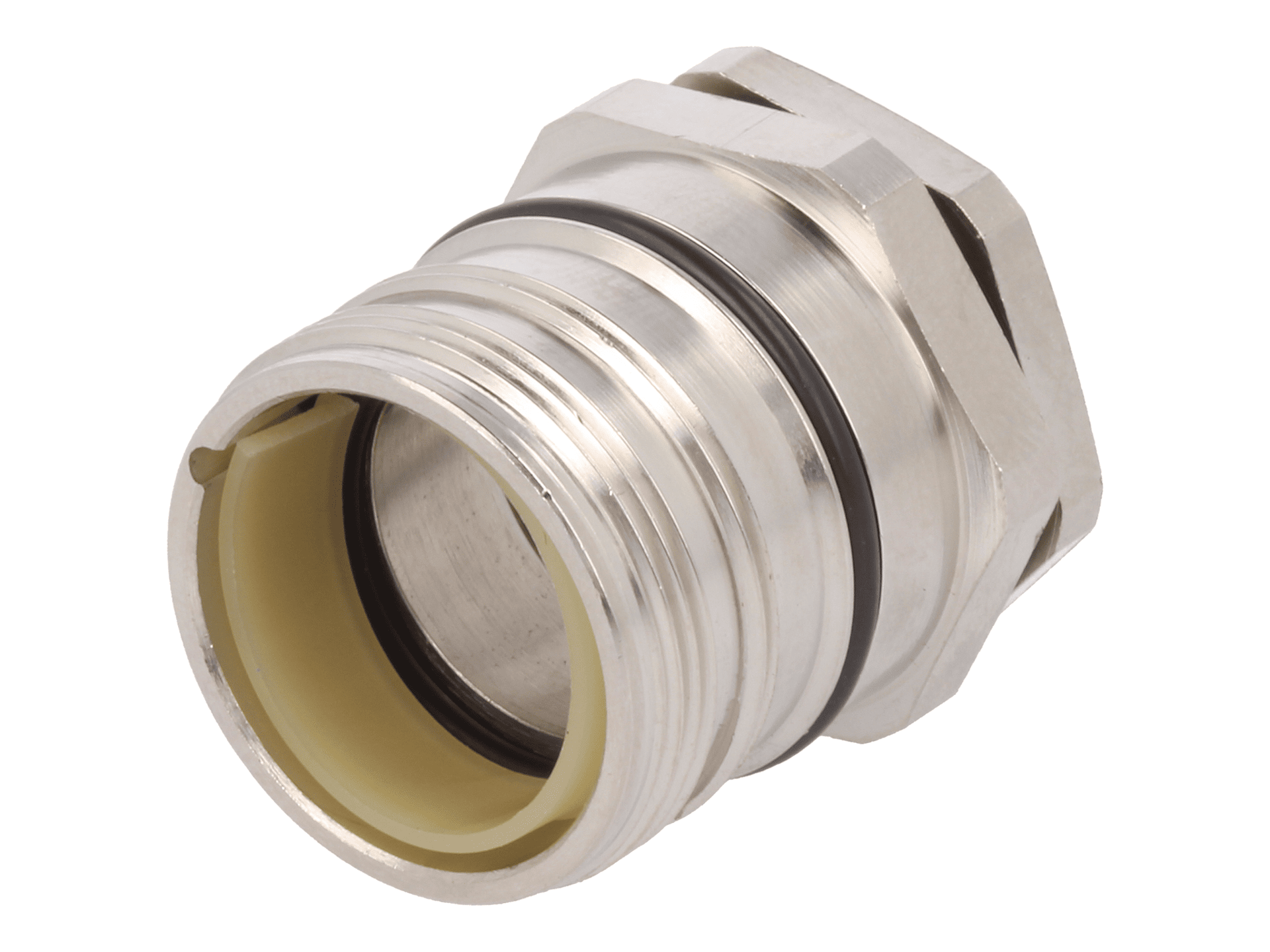
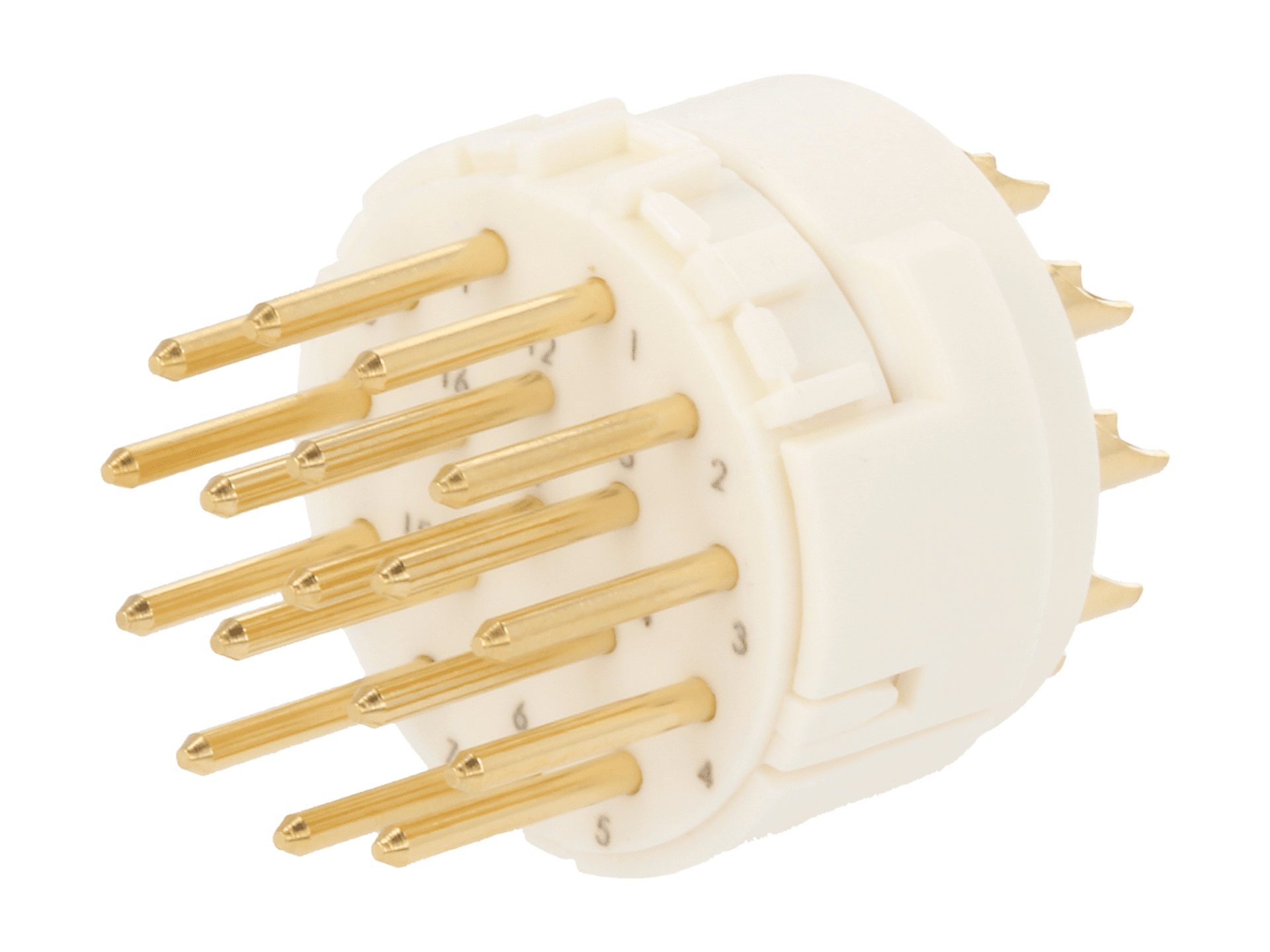
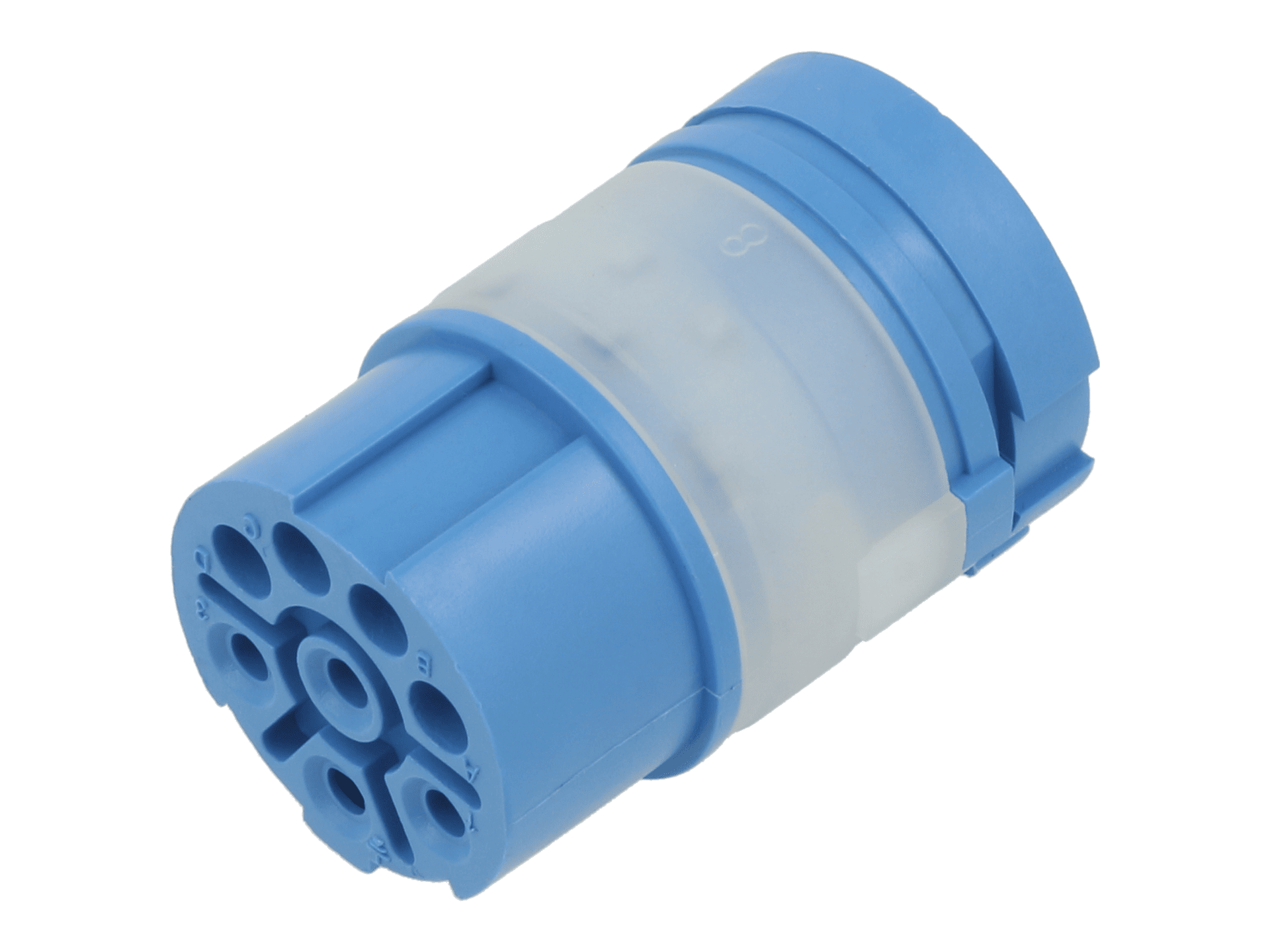
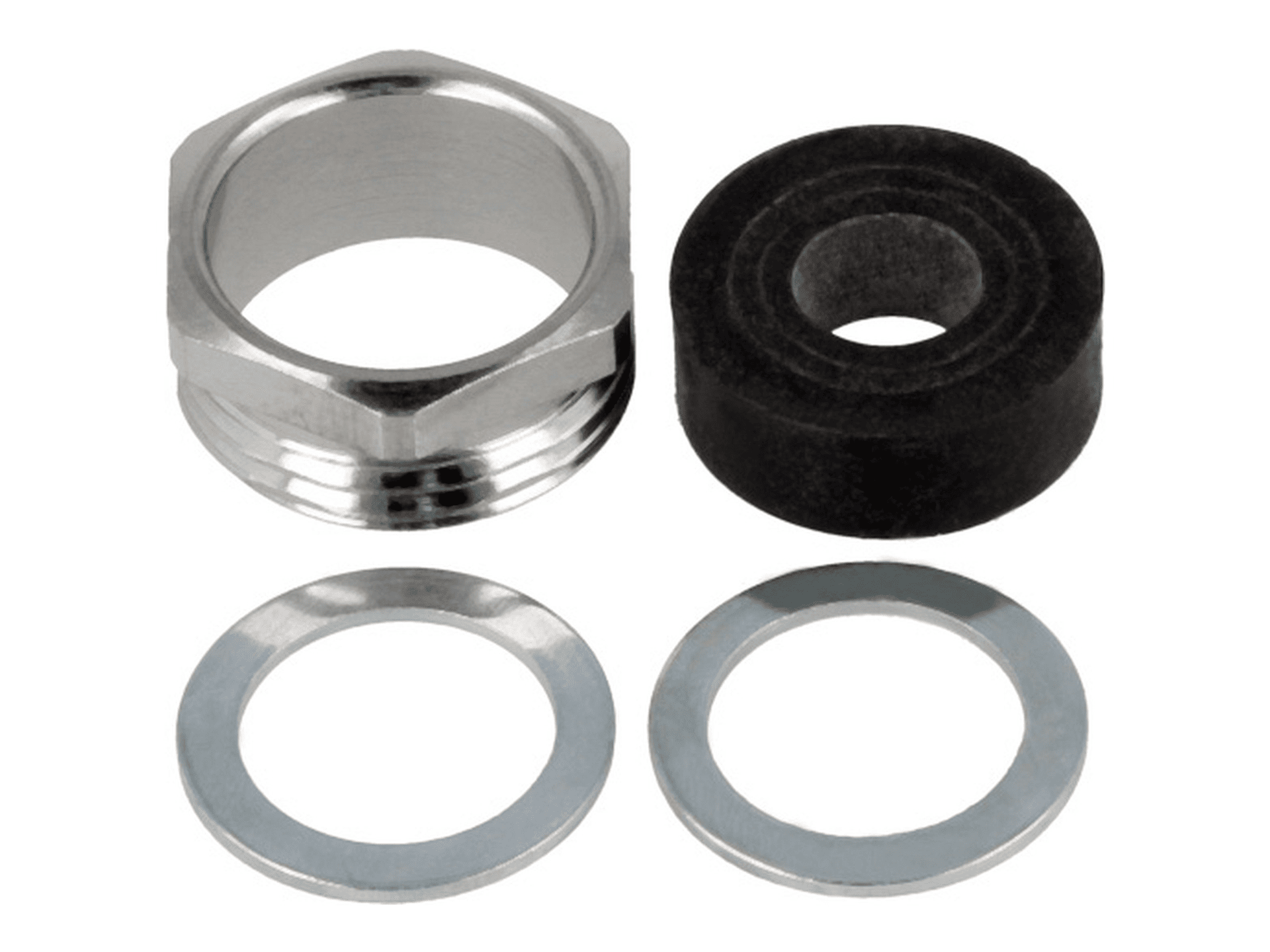
The key feature of M23 connectors is their ability to transmit high power (e.g., 20A, 300V) and have dimensions suitable for connecting various signalsThe manufacturer distinguishes the elements in this offer Power, Hybrid and SignalThe connection can reliably transmit power, control signals and communication while facilitating assembly and maintenance.
In robotics and station automation, M23 is used for demanding connections, such as drives, servomechanisms, encoders, actuators, rotary tables and positioners.
|
|
|
|
Summary of differences
Finally, let's see how it's presented. Suggested summary of product groups in relation to their target areasRemember that the final selection of the elements used should depend on the parameters of the specific application.
Area Typical Requirements Products Sensors and I/O modules near the robot Many connections, limited space M12 Robot grippers and accessories Limited space, frequent changes M12, M17 Cable guide Repetitive bending, friction, stress M12, M17, M23 Drives, auxiliary axes, positioners Power supply, signals, vibration stability M23 Cabinet-to-station connection Interface, modular service, durability HDC, M23 Modular robotic cell Quick customer assembly, fewer errors M12, HDC, M23 Frequent accessory changes Quick and repetitive accessory replacement M12, M17, M23
Source: https://www.tme.eu/es/news/about-product/page/79290/conectores-y-cables-harting-para-robotica/