Imagine that you are playing with a pile of coins, deciding to put them in a box to use later. In the world of electronics, a capacitor works in a similar way: it stores electrical energy to release it when needed. What exactly is a capacitor and why is it so important in electronic devices? Let's find out.
What is a capacitor?
Un capacitor, also known as a capacitor, is an electrical component that stores and releases electrical energy. It consists of two conductive plates separated by an insulating material called a dielectric. When a voltage difference is applied between the two plates, an electric charge builds up on each of them, creating an electric field in the dielectric. This stored energy can be released when needed, making capacitors essential for many electronic circuits.
Components of a Capacitor
- Conductive Plates: Made of materials such as aluminum or steel, these plates accumulate electrical charge.
- Dielectric: The insulating material can be air, paper, mica, ceramic, among others. The type of dielectric determines the capacity and maximum voltage of the capacitor.
- Terminals: The electrical connections that allow the capacitor to be integrated into a circuit.
How Does a Capacitor Work?
To understand how a capacitor works, imagine a jar of water that you can fill and empty. In electrical terms, the jar is the capacitor and the water is the electrical energy.
Loading process
- Voltage Application: When a voltage is applied across the conducting plates, electrons accumulate on one plate (negative charge) and are removed from the other (positive charge).
- Energy storage: This movement of electrons creates an electric field in the dielectric, storing energy in the capacitor.
- Balance: The capacitor charges until the voltage across its plates equals the voltage of the external source.
Download Process
- Connection to a Load: When a load (such as a resistor) is connected to the terminals of the capacitor, stored energy begins to flow from the capacitor to the load.
- Energy Release: Electrons move from the negative to the positive plate through the charge, releasing the stored energy.
- Empty: The capacitor discharges until there is no voltage difference between the plates.
Types of Capacitors
There are several types of capacitors, each with specific characteristics that make them suitable for different applications.
Ceramic Capacitors
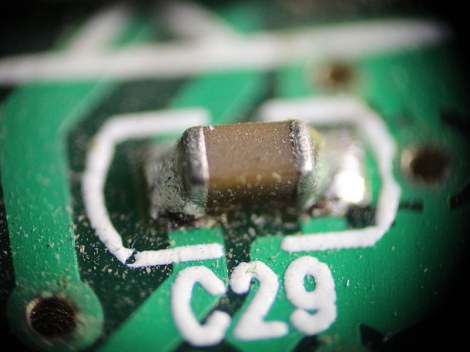
These capacitors use a ceramic material as a dielectric and are very common in electronic circuits due to their small size and low cost. They are ideal for high frequency and signal coupling applications.
Electrolytic Capacitors
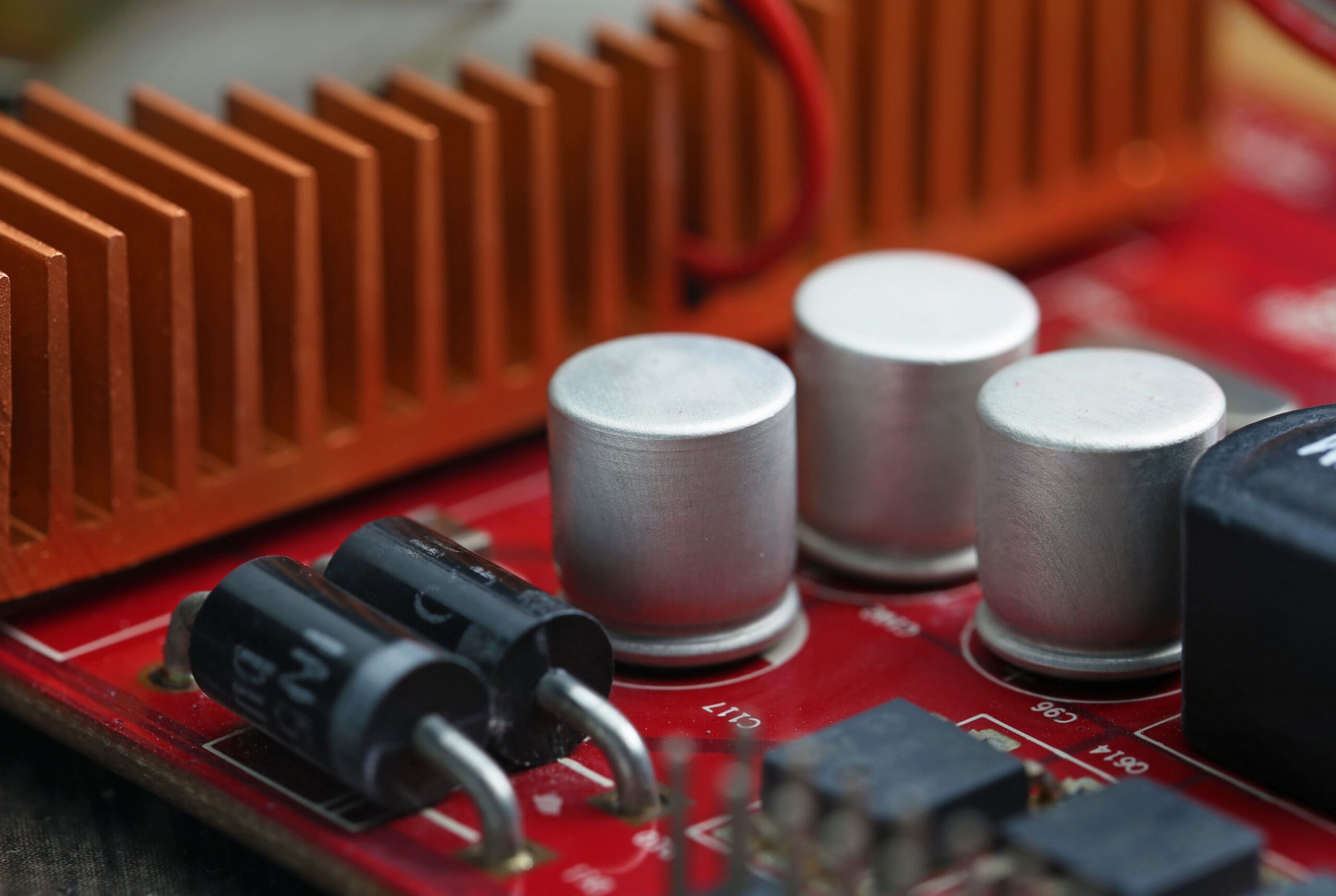
They use an electrolytic liquid or gel as a dielectric and have a greater energy storage capacity compared to other types of capacitors. They are used in power supplies and to smooth the voltage in low frequency circuits.
Tantalum Capacitors
Similar to electrolytic capacitors, they use tantalum instead of aluminum. They offer greater stability and efficiency in a smaller size, ideal for portable devices and precision applications.
Film Capacitors
They use a plastic film as a dielectric and are known for their high stability and reliability. They are used in high precision applications and audio circuits.
Mica Capacitors
These capacitors use mica as a dielectric and are very stable and precise, used in high frequency and high voltage applications.
What is a Capacitor for?
Capacitors have multiple uses in electronics, thanks to their ability to store and release energy quickly.
Energy storage
One of the most common uses of capacitors is to store energy for later use. This is essential in applications such as cameras, where a capacitor stores energy for the flash.
Voltage Smoothing
In power supplies, capacitors are used to smooth out voltage fluctuations, providing a more stable current to electronic devices.
Signal Filters
Capacitors are also used in electronic filters to block certain signal frequencies while allowing others to pass. This is crucial in radio and audio applications.
Coupling and Uncoupling
Capacitors are used to couple signals between different stages of a circuit without allowing direct current to pass through. They are also used to decouple circuits, eliminating unwanted noise.
Engine Starting
In electric motors, capacitors are used to provide the initial boost needed to start the motor, improving its efficiency and performance.
The Importance of Capacitors in Modern Technology
Capacitors are fundamental components in most electronic devices we use daily. From mobile phones to computers and home appliances, your ability to manage and regulate the flow of energy is essential for the efficient operation of these devices.
On Mobile Devices
In mobile phones, capacitors help manage battery power, ensuring that components receive a stable, continuous current. They are also used on touch screens to detect touches and gestures.
On Computers
Computers use capacitors on their motherboards and graphics cards to smooth out voltage and filter signals. This improves system stability and performance.
In Appliances
From refrigerators to microwaves, capacitors help start and keep motors and other electrical components running, improving the efficiency and durability of appliances.
In the Automotive Industry
In vehicles, capacitors are used in starting systems and electronic systems to provide quick and efficient power to various components, such as infotainment systems and sensors.
Conclusion
In summary, capacitors are vital components in the world of electronics, allowing the storage and rapid release of electrical energy. Whether in mobile devices, computers, home appliances or cars, capacitors ensure that our devices operate efficiently and reliably. Understanding what a capacitor is and how it works helps us appreciate its importance in our daily lives and in modern technology.
If you liked our article about the electrical capacitor or capacitor, follow us on our social networks to find out all the information about electronics updated daily.